Last updated: 7 July 2026
Short answer: Sidr honey is a world-famous single-origin honey from the lote tree, prized in the Gulf and priced accordingly. Raw Altai honey is a lesser-known single-origin from southern Siberia. Neither is “better” by name: a single-origin honey is only as good as its raw handling and its lab proof. A documented Altai honey can outrank a famous Sidr you cannot verify.
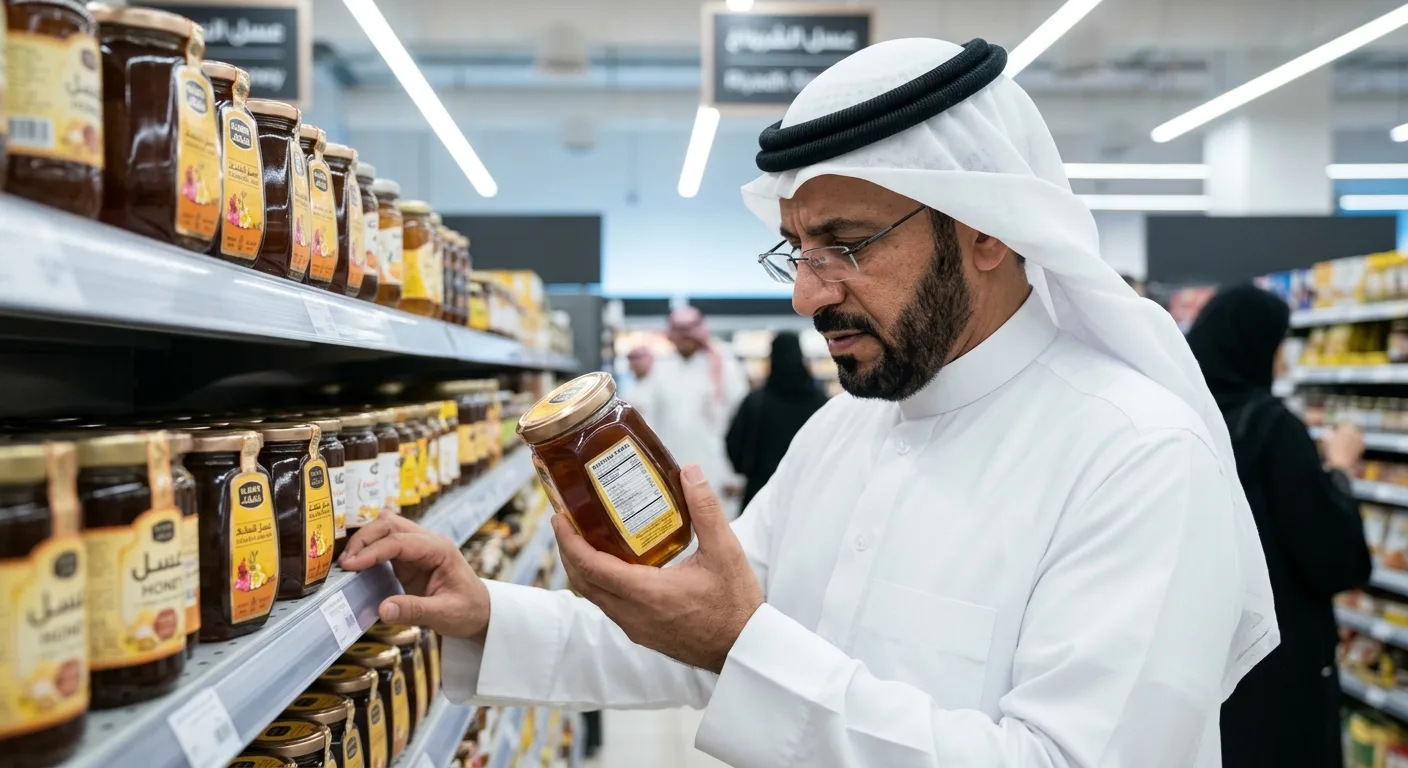
Ask a Gulf honey buyer to name the best honey in the world and Sidr comes up first, usually followed by the price. Then the doubt lands: half the market believes it too, and half of that market is coloured syrup wearing the Sidr label. There is a reason we write this from the outside. We do not stock Sidr, and there is no jar of Altai honey on our shelf either; the Altai honey we buy goes straight into lozenges. That leaves us reading both honeys the way a purchaser reads a supplier, checking the source rather than defending a lid. So this comparison turns on one thing above the variety: whether you can verify what is in the jar at all.
What is Sidr honey, and why is it so famous?
Sidr is the honey bees make from the nectar of the lote tree (Ziziphus spina-christi), and the Yemeni and southern Saudi harvests carry the biggest reputation on earth. It runs from warm gold to a deep reddish-brown amber, thick and creamy, with a rich floral aroma. Its fame rests on two facts: the lote tree holds deep cultural and religious weight across the region, and it flowers for only a short window, so a genuine harvest is small and awkward to counterfeit at scale. A later crop deepens both the colour and the price. We mapped that whole colour band in our guide on what colour real Sidr honey is, and the takeaway carries over: no single shade is the “right” one.
What is raw Altai honey, and why have most people never heard of it?
Raw Altai honey comes from apiaries in the Altai, a UNESCO biosphere reserve in southern Siberia, Russia. Our own combs sit near Lake Teletskoye at 600 to 1200 metres, worked by roughly 200 hives that yield about 36 kg each across a short season from late June to mid-August. It is a genuine single-origin honey, the same category as Sidr, but it never built a consumer brand in the Gulf the way Sidr did. That gap is a marketing story, not a quality one. When a man in Riyadh has never heard of Altai honey, it does not mean the honey is lesser; it means nobody sold it to him with the reverence attached to the Sidr name. We keep our Altai honey below 40°C so its pollen and enzymes survive intact, which is the part that decides whether a raw honey earns its price.
Sidr honey vs raw Altai honey: how do they compare?
Strip away the reputation and both honeys are shaped by three things only: the tree the bees worked, the region and altitude, and the week of the season it was capped. Here is where Sidr and our Altai source diverge, and where they land in the same place:
- Source and reputation: Sidr comes from the lote tree, with Yemen and southern Saudi Arabia as the prized origins and a world-class name. Altai comes from Siberian meadow and forest flora at 600 to 1200 metres, a source with no consumer fame in the Gulf. Same single-origin category, opposite ends of the marketing map.
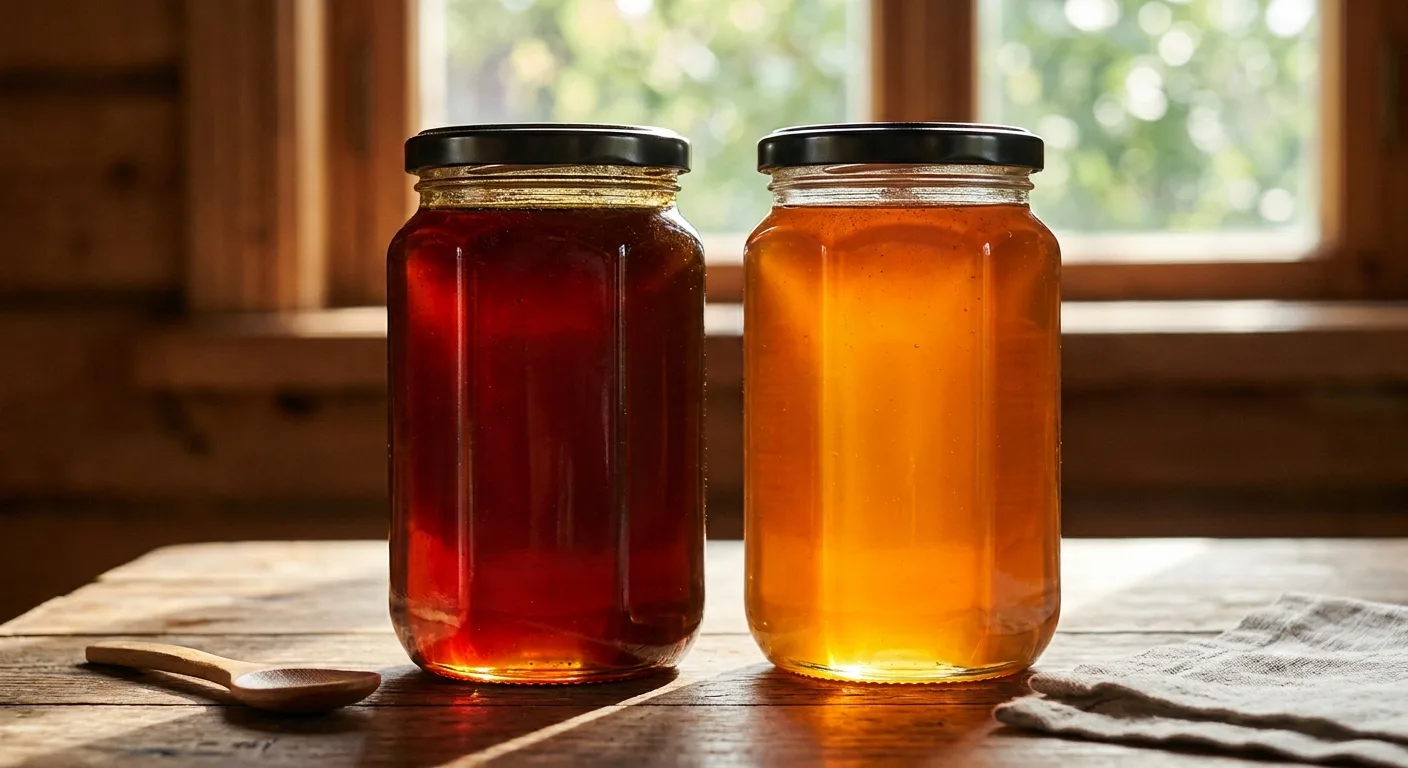
- Colour: Sidr spans warm gold to deep reddish-brown amber and darkens late in the season. Our Altai combs run a paler gold in late June and a deeper brown by mid-August. In both, a colour that lands identically jar after jar is the suspicious one, because a natural crop shifts with its season.
- Taste: Sidr is rich, rounded, and floral. Raw Altai honey carries a stronger, more herbal character, which is part of why we build lozenges on it rather than on a mild honey. A flat, one-note candy sweetness in either honey is the warning sign, not the strength.
- What survives inside: This is the axis names hide. A raw honey kept under 40°C keeps its pollen, enzymes, and aroma; a honey heated and micro-filtered for a glassy look loses them. We hold our Altai source below 40°C for exactly this, which is the same reasoning behind why raw honey costs more than processed honey. A cheap “Sidr” that has been cooked clear is worth less than a raw honey of any origin.
- Price and what you pay for: Genuine Sidr is among the most expensive honeys on earth because the lote tree yields so little. Altai sits far below it on name alone, yet a documented raw Altai and a genuine raw Sidr protect the same thing: what stays alive in unheated honey. With Sidr, a large share of the price is the name and the scarcity; with Altai, you are paying for the raw source without the brand premium.
So which single-origin honey is better?
The honest answer disappoints anyone hoping for a winner: origin does not decide quality, handling and proof do. A real Yemeni Sidr, raw and unheated, is a superb honey. A raw Altai honey kept below 40°C with a lab certificate is also a superb honey. A heat-treated, syrup-cut “Sidr” bought on reputation is worse than either, and it is the most common thing in the market. The men we hear from in the Gulf have been burned twice: once by outright fakes, and once by paying top money for a celebrated label that showed up flat and lifeless. Their distrust runs deep enough that they say it about the whole category, “صعب تثق بحد يبيعك عسل اصلي صافي” (it is hard to trust anyone selling you real, pure honey). A famous name did not spare them, which is the whole point. The single-origin worth buying is the one whose source you can verify, whatever the label on the front says. We built our product on that principle: about 90% raw Altai honey with 5% Leuzea (Rhaponticum) and 5% Red Root (Hedysarum), documented rather than sold on reputation.
How do you judge any single-origin honey, Sidr, Altai, or otherwise?
Since colour and a famous name prove nothing on their own, judge the honey the way a beekeeper does. This is close to the check we run on every incoming batch of Altai honey before it ever goes into a lozenge:
- Treat the name as marketing, not proof. “Sidr” on a lid is a claim about a tree, nothing more. A named region plus a harvest window, like our late-June-to-mid-August Altai crop, tells you more than the variety name ever will.
- Read the depth in daylight, then ignore the ad photo. Real single-origin honey keeps a natural, variable depth of colour: our own Altai jars come up a paler gold from the late-June combs and a deeper brown from the mid-August ones. A water-clear, glassy shine suggests heating and filtering for looks. Studio-lit ad honey always glows brighter than the real jar under a kitchen light, so the gap you notice is lighting, not a defect.
- Tilt the jar and taste for character. Lift a spoon and raw honey should climb after it in a slow, unbroken thread, heavy on the tongue. Sidr reads rich and floral, raw Altai stronger and more herbal. A thin, quick pour hiding under a “premium” dark colour, or a flat candy sweetness that never changes across the jar, is the tell of syrup-cutting.
- Ask for the lab certificate. An independent certificate of analysis (COA) plus a named origin cannot be faked by eye, and it is the one thing a famous name cannot substitute for. We tie a COA to every Altai batch for this reason, and an honest seller of Sidr hands you the same without hesitating.
Why does a famous honey still arrive looking wrong?
The angriest reviews on Gulf honey stores are rarely about cheap jars. They are about the expensive ones that arrived a dull brown instead of the advert’s gold. Some of that is genuine fraud. A lot of it is physics: an unheated honey holds a deep, uneven colour that no lit studio shot reproduces, so a real premium jar always looks plainer at home than online. One Saudi buyer left a review on his third repeat order saying the texture was “completely different” and the colour brown, and begged the seller to confirm whether the honey was even real (“الرجاء التأكد إن كان العسل اصلي او لا”). Nothing was wrong with the honey. A natural crop shifts batch to batch, the same drift we watch between our June and August Altai combs, but a famous name had quietly promised him it never would. Trust the written ingredient list and the certificate, not the shine of the marketing photo.
Where our own Altai honey fits in this
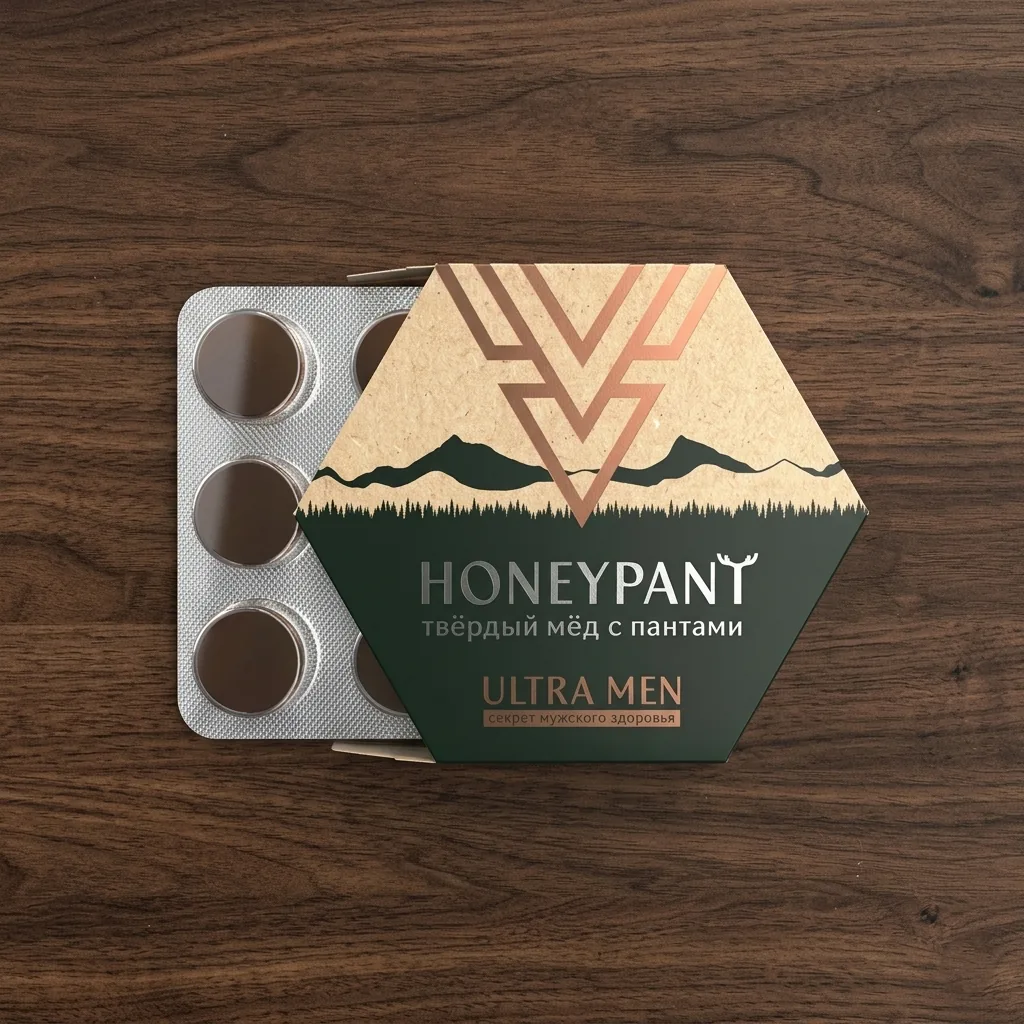
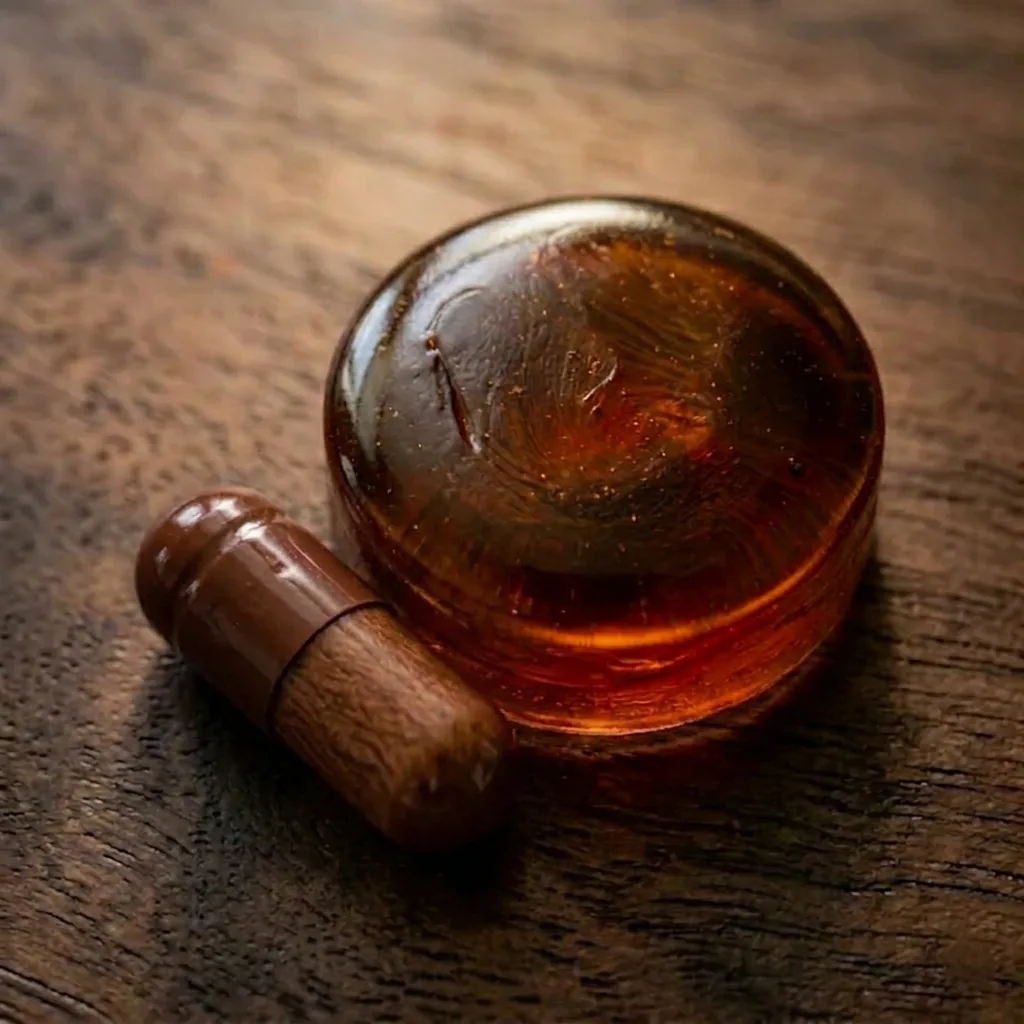
Our own honey never had a famous name to lean on, so we learned to sell the paperwork instead. The Altai honey we buy goes into lozenges, not jars: roughly 90% of each lozenge is that raw honey, the rest is 5% Leuzea, 5% Red Root (Hedysarum), beeswax, and a little concentrated cherry juice for taste, formed in Biysk. Because the honey is our raw material and not our shelf product, we grade it before it ever reaches a mould. We log the harvest week between late June and mid-August, we expect the colour to drift across that window, we keep the honey under 40°C so the pollen and enzymes are not boiled off, and we file a lab certificate for each batch. A man over 30 who wants energy he can rely on gets more from that paper trail than from a legend printed on a lid. At three lozenges a day, the steadier energy shows up around day 10 to 14, not in the first hour.
The ingredients page sets out the 90/5/5 ratio and where in the Altai the honey is harvested, and the founder and lab story puts a face and a certificate behind the source. If your worry is fakes rather than which origin to pick, our walkthrough on how to tell real honey from fake covers the tests in depth. And if you are torn between two famous varieties instead of comparing one to Altai, we put them side by side in Talh honey vs Sidr honey.
FAQ
Is Sidr honey better than Altai honey?
Not by name alone. Both are raw, single-origin honeys, and quality comes from how each is handled and whether it is proven, not from the origin on the label. A genuine raw Sidr is excellent, and so is a raw Altai honey kept below 40°C with a lab certificate. A heat-treated or syrup-cut “Sidr” bought on reputation is worse than a documented honey of any origin.
Why is Sidr honey so much more expensive than Altai honey?
The Sidr (lote) tree flowers only briefly and yields little, and it carries a world-class reputation, so genuine Sidr is scarce and priced at the top of the market. Altai honey has no comparable consumer fame in the Gulf, so it sells for far less on name alone. With Sidr you pay heavily for scarcity and reputation; with a documented raw Altai you pay mostly for what survives in unheated honey, which is what we protect by keeping ours below 40°C.
What makes a honey “single-origin,” and does it matter?
Single-origin means the honey comes from one defined source and season rather than being blended from many. Sidr from a Yemeni valley and our Altai honey from Lake Teletskoye are both single-origin. It matters because it lets you trace a named region and harvest window, our own runs late June to mid-August, which a blended supermarket honey cannot give you. On its own the term is not proof, so pair it with a lab certificate.
Is darker honey higher quality?
No. Colour depends on the floral source and the season, not on quality. Sidr darkens with a late harvest, and our Altai combs run deeper by mid-August than in June, yet neither shade grades the honey. What counts is that the colour is natural and variable rather than a fixed, artificial gold. Judge a honey by texture, taste, and an independent certificate, not by shade alone.
Do you sell Sidr or Altai honey by the jar?
Neither. There is no jar of honey in our range at all. What we sell is a lozenge, about 90% raw Altai honey by weight plus 5% Leuzea, 5% Red Root (Hedysarum), beeswax, and a touch of cherry juice, formed in Biysk from a late-June-to-mid-August crop. The reason we can compare Sidr and Altai fairly is that we purchase and lab-test single-origin raw honey as buyers, which puts us on the customer’s side of the counter rather than the seller’s.
Sidr vs Altai: what to keep in mind
A genuine Sidr earns its legend, and a quiet Altai from a Siberian UNESCO reserve earns nothing on its name at all. Both stand or fall on the same four things: the source, the season, whether the honey was cooked, and whether a lab will vouch for it. In the Gulf, the money vanishes when a buyer pays premium prices for a famous label with nothing checkable behind it. Choosing between two honest honeys was never the expensive mistake. We took the opposite bet. One source we can trace, held under 40°C, certified batch by batch, and pressed into lozenges we can stand behind. For a man over 30 who would rather have a verifiable honey-and-herb sugar alternative than gamble on an unverifiable name, the honey adaptogen lozenges carry the Altai paperwork with them. The set runs to roughly €3 a day, under the price of a Dubai espresso. If your order turns up damaged or wrong, photograph it within 7 days and we replace or refund it.