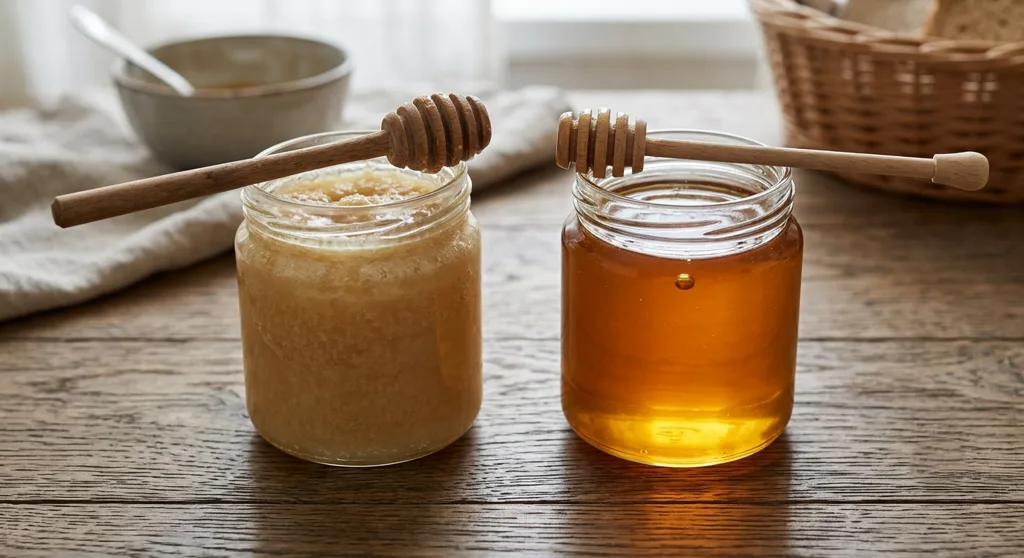
Short answer: Raw, unfiltered honey is worth more because it is honey kept the way it left the comb: never heated above hive warmth, never fine-filtered, so it holds the pollen, enzymes, aroma, and floral taste. Processed honey is heated and filtered into a clear, runny, shelf-stable jar, which strips most of that out. We start our lozenges with raw Altai honey held under 40°C for exactly this reason.
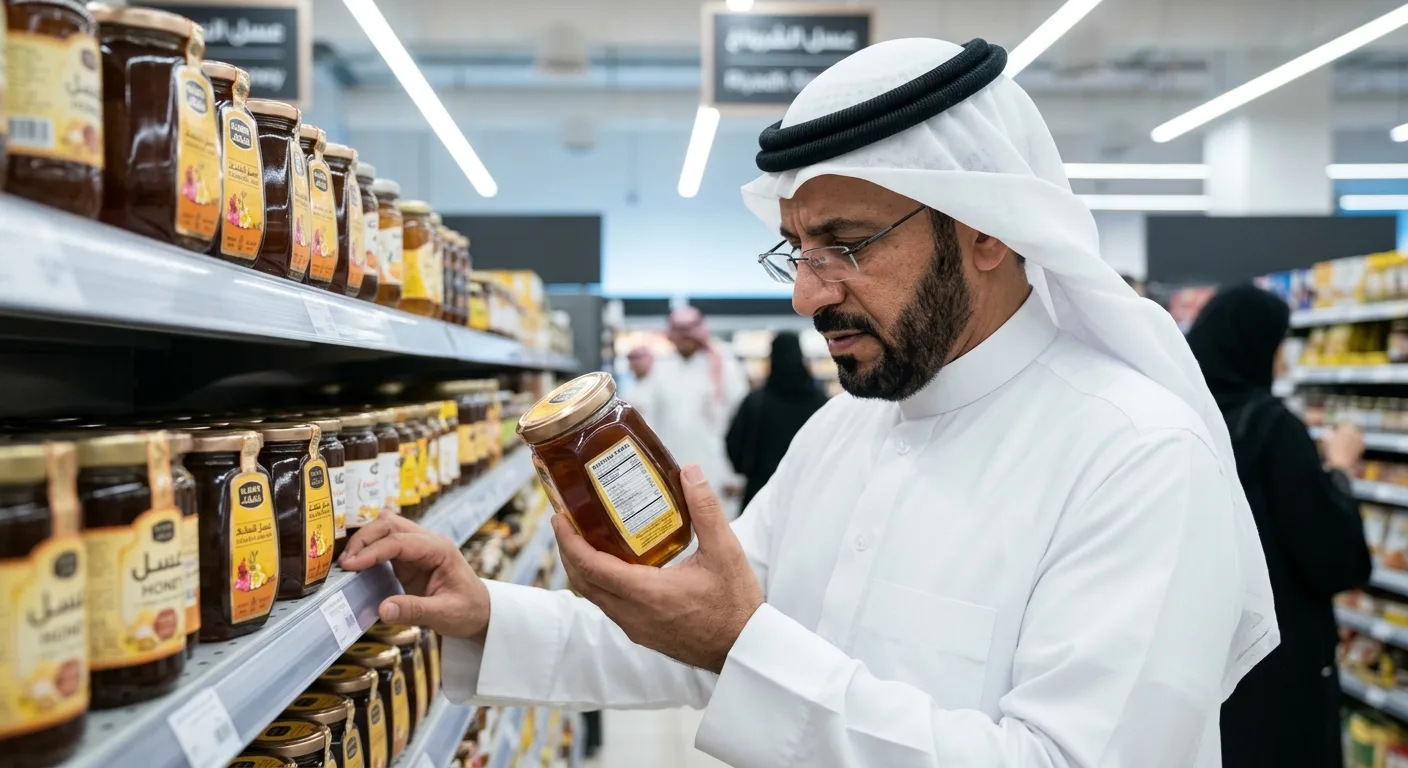
A shopper picks up two jars, one twice the price of the other, both saying “pure honey,” and asks the fair question: is the expensive one different in the jar, or is “raw” only a word on the front? Arabic reviewers say the doubt plainly, كله مغشوش (it’s all adulterated) and صعب تثق بحد (hard to trust anyone). The price gap is real, and most of it comes from one decision: how much the honey was left alone after it left the comb. This guide covers what the extra money buys, where cheap honey loses its value, and how to check which jar you are holding.
What is the difference between raw honey and processed honey?
Raw honey comes off the comb and into the jar with nothing done to it but straining out wax and bee bits. Processed honey is heated and pushed through fine filters so it stays clear and pours easily for years. That one decision, leave it alone or run it through heat and filters, decides almost everything you taste and pay for. We sit on the raw side of it: the Altai honey we buy as the base of our lozenges is gathered late June to mid-August near Lake Teletskoye, in a UNESCO biosphere reserve in southern Siberia, and we hold it under 40°C so nothing is cooked out before it goes into a lozenge.
Raw honey is honey in its natural state, so it still carries pollen, live enzymes, and the floral character of wherever the bees foraged. Processed honey is built for the opposite goal: a jar that looks identical every time and never clouds, which takes heat the raw version never sees. We test every delivery of raw Altai honey before it goes into the 90/5/5 lozenge recipe, and the haze and the floral smell are what tell us it was never run through that heat.
Which is healthier, raw honey or processed honey?
Raw honey keeps more of what makes honey more than sugar, because heat and fine filtering remove a lot of it. Heating honey past roughly 40°C starts to break down the natural enzymes and degrade the delicate compounds; fine filtering strips out the pollen and most of the cloudiness with it. A clear, heat-treated jar ends up closer to flavoured sugar syrup than to what came out of the comb. That 40°C line is the one we hold our Altai honey to, and the COA on each delivery is how we confirm it.
This is the same reason we keep our Altai honey under 40°C as a raw ingredient and lab-test it before it goes anywhere near a lozenge. Honey is about 90% of each of our lozenges, so if that honey were cooked thin and stripped, the lozenge would carry mostly dead sweetness instead of the raw honey we chose it for. The 5% Leuzea and 5% Red Root we add are the active part, but they sit in raw honey on purpose, not in heat-processed syrup.
Is raw honey worth the price, or is it just marketing?
The price gap is mostly real, but the word “raw” on a label is not proof on its own. Genuine raw honey costs more because it yields less and keeps less conveniently: it crystallises, it varies between harvests, and it cannot be mass-clarified into one identical product. That is also why our own Altai honey has a harvest window, late June to mid-August, instead of a year-round identical supply. The flat, candy-sweet, never-clouding honey is usually the cheaper one for a reason.
The marketing problem creeps in because “raw” is not a tightly policed word, so some clear, obviously heat-treated jars still wear it. That gap is what sits behind the distrust we hear from buyers, like the Amazon.sa reviewer who wrote “I think its fake… the honey is brown, so where is that amount of royal jelly gone?” when colour and texture did not match the photo. Real raw honey is darker, thicker, and more variable than a glossy ad, and that variation is the value rather than a defect. Don’t trust the word on the front; check the jar itself, using the signals below.
How can you tell raw, unfiltered honey from processed honey?
You can read most of it off the jar before any lab test, and these are the same four signals we look at when we source the raw Altai honey for our lozenges:
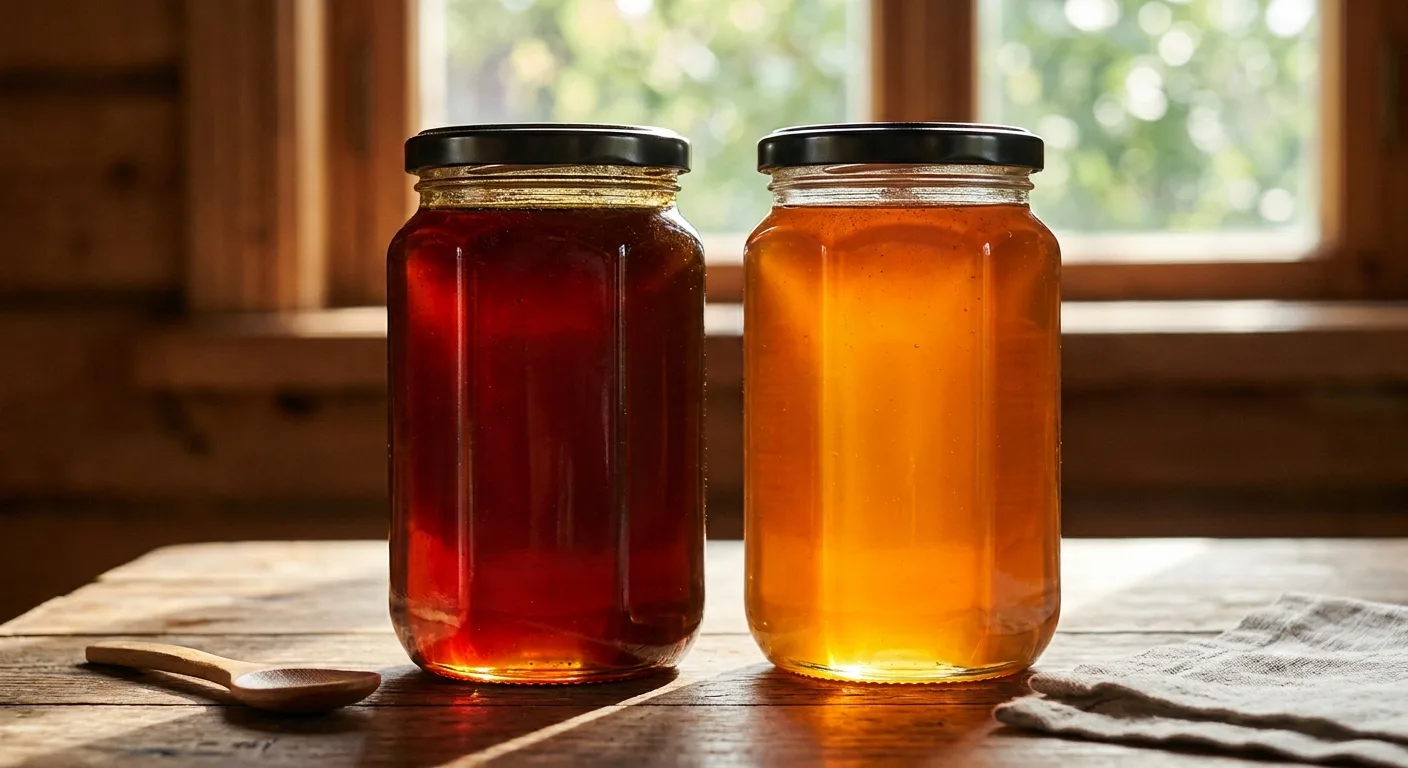
- Clarity. Raw, unfiltered honey is usually cloudy or hazy, because the pollen and fine particles are still in it. Our Altai honey arrives hazy from Teletskoye pollen, and that haze is one of the things we check for. Processed honey is glass-clear, because fine filtering took all of that out.
- Crystallising. Raw honey naturally turns thick, grainy, or solid over time, and that is a sign it was left alone; our Altai base does this batch to batch. Processed honey often stays runny far longer because heat delays crystallising, and a honey that never sets at all is worth a second look.
- Taste and smell. Raw honey has a real floral smell and a taste that shifts with the season; ours changes a little each harvest depending on what was flowering near Lake Teletskoye that late June to mid-August. Processed honey tastes uniformly sweet and smells faint, because heat drives off the aroma.
- The label and price together. A jar that is cheap, crystal-clear, pours like water, and tastes flatly sweet is almost certainly processed, whatever the front says. We pay more for raw Altai honey precisely because it looks less perfect and varies, and those are the honest signals.
No single one of these is a courtroom test, but together they tell you fast which jar you are holding. They are the same four signals we run an Altai delivery past, alongside the COA, before it goes into a lozenge. For the home checks that go a step further, including the water test buyers keep asking about, our guide on how to tell real honey from fake walks through each one.
Does processed honey go bad faster than raw honey?
Neither one spoils, but they age differently, and a lot of buyers read the change backwards. When raw honey crystallises into a thick or solid jar, the honey has not gone off; the natural sugars are settling, which is one of the clearest signs it was never heated flat. Our raw Altai honey turns grainy in the jar within a few months of each harvest, and that is exactly what it should do. A processed jar holds its liquid clarity for years because the heat treatment locks the texture in place, not because it stayed fresher. The jar that changes is usually the more natural one, and the jar that never changes is usually the more processed one.
We treat our raw Altai honey as a living ingredient with a harvest window, late June to mid-August, rather than a year-round identical commodity. A buyer who notices one batch sit grainier than the last, the الطلب الثالث مختلف (the third order is different) complaint we hear, is watching raw honey behave like raw honey. Crystallising and batch variation are the cost of keeping it unprocessed, and that cost is part of why it is worth more.
How our lozenges use raw honey instead of processed
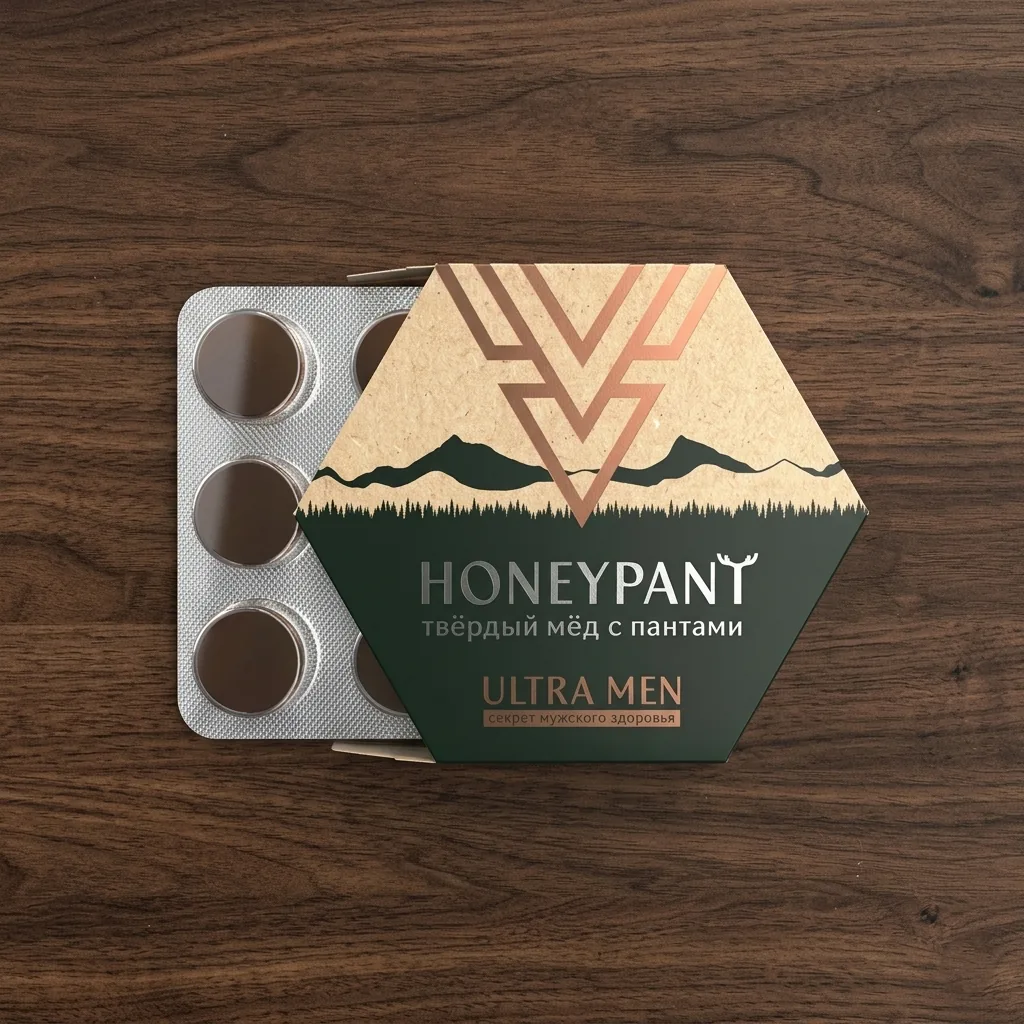
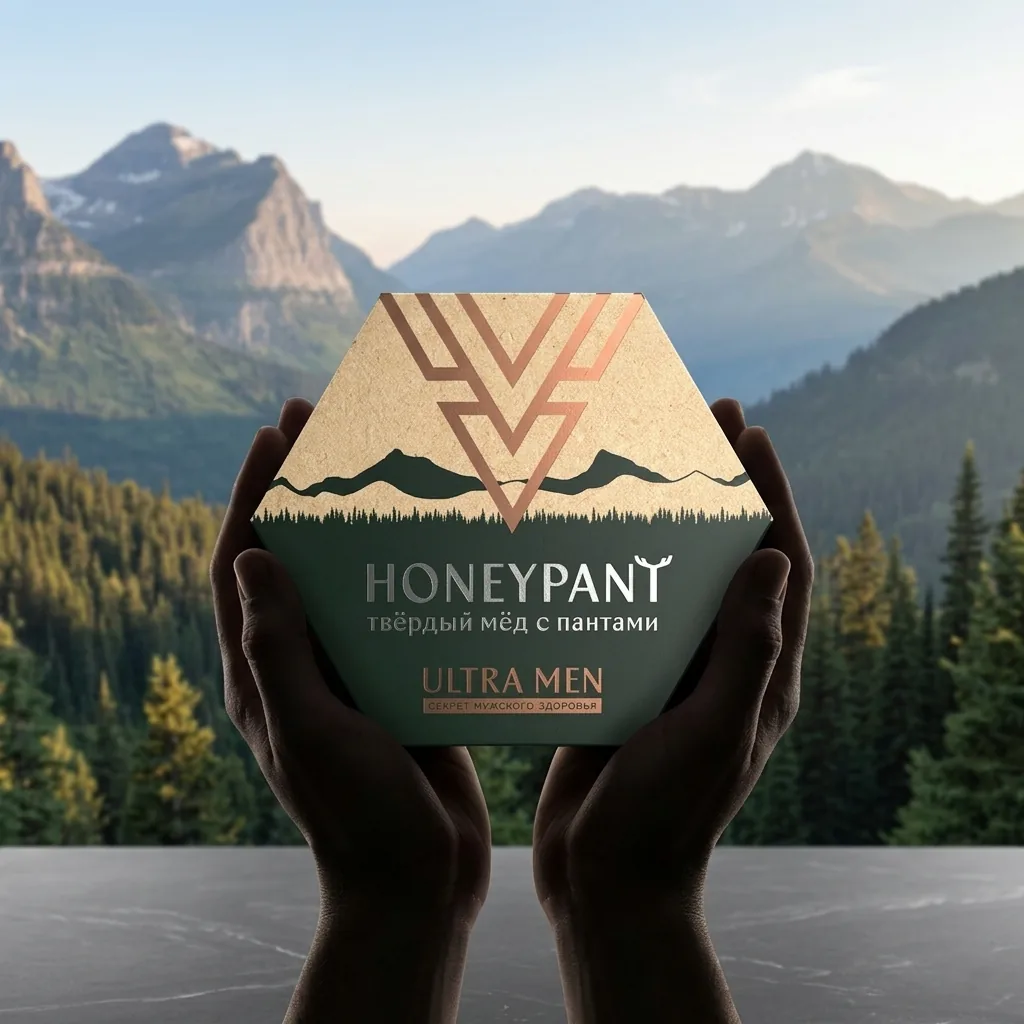
A honey lozenge is only as good as the honey inside it, and we built ours on raw rather than processed. Each lozenge is about 90% raw Altai honey, 5% Leuzea (Rhaponticum carthamoides), and 5% Red Root (Hedysarum neglectum), with beeswax and a little concentrated cherry juice for taste, five ingredients in total. If we used cheap processed honey as that 90%, we would be carrying our herbs in stripped syrup, and the reason we start with raw honey at all would be gone.
We hold the honey under 40°C as a raw ingredient and lab-test it for safety and purity before it goes into the lozenge, the same care a careful buyer wants from any raw-honey jar. The product itself is a lozenge. A man over 30 takes three a day, dissolving each over three to four minutes, with steadier energy that most men notice building around day 10 to 14. The honey being raw rather than processed is what makes that base worth taking instead of merely sweet.
FAQ
Is raw honey better than processed honey?
For keeping what makes honey more than sugar, yes. Raw honey holds its pollen, natural enzymes, aroma, and floral taste, because it is never heated past hive warmth or fine-filtered. Processed honey is heated and filtered for a clear, shelf-stable jar, which removes much of that. We keep our raw Altai honey under 40°C as a lozenge ingredient for exactly that reason.
Why does raw honey cost more?
Because it yields less, keeps less conveniently, and cannot be mass-clarified into one identical product. Raw honey crystallises, varies between harvests, and looks less perfect than a heat-processed jar, and that is the honest signal you are paying for. It is also why our Altai honey has a harvest window of late June to mid-August rather than a year-round identical supply. A cheap, crystal-clear, never-setting honey is usually processed.
Is cloudy or crystallised honey a sign it is raw?
Often, yes. Cloudiness comes from pollen and fine particles that fine filtering would have removed, and crystallising is the natural sugars settling in honey that was never heated flat. Our raw Altai honey arrives hazy and turns grainy over time, shifting a little each harvest near Lake Teletskoye; that is raw honey behaving normally, not spoilage.
Does “100% pure” on the label mean raw?
No. “Pure” only means nothing was added; it can still be heated and fine-filtered, which makes it processed. “Raw” should mean unheated and unfiltered, but the word is not tightly policed, so a clear, heat-treated jar can still carry it. We don’t stop at calling our honey raw, we COA-test each Altai delivery and hold it under 40°C. Judge a jar by clarity, crystallising, taste, and price together, not by the front label.
Do you sell raw honey, or honey lozenges?
Lozenges. We do not sell jars of honey. We use raw Altai honey as roughly 90% of each lozenge, held under 40°C and lab-tested, with 5% Leuzea and 5% Red Root added as the active herbs. The honey being raw rather than processed is why we start with it, but the product you take is a lozenge, three a day.
The honey is the base, and we kept it raw
If whether the honey is raw or processed matters to you, that question is the one we answered first about ours. The base of each lozenge is about 90% raw Altai honey, held under 40°C and COA-tested for safety and purity, carrying 5% Leuzea and 5% Red Root as the active herbs. Three lozenges a day, dissolved over three to four minutes, is the serving; a first course is one set of 12 packs (€144, roughly €3.00 a day, less than a Dubai espresso) over six to seven weeks, with steadier energy most men over 30 notice by day 10 to 14.
We do not sell the honey by the jar, so the trust question with us is about the lozenge that arrives, not a shelf product. If your order comes damaged or wrong, send a photo within 7 days and we replace or refund it. If you are still deciding whether you trust any honey at all, the home checks in how to tell real honey from fake are where to start, and what’s inside the lozenges lists all five ingredients plainly. One note on fit: the lozenges are for men over 30, not for anyone under 18, and if you take blood-pressure, thyroid, or hormone medication, or have a beekeeping-product allergy, check with a doctor first.