Last updated: 29 June 2026
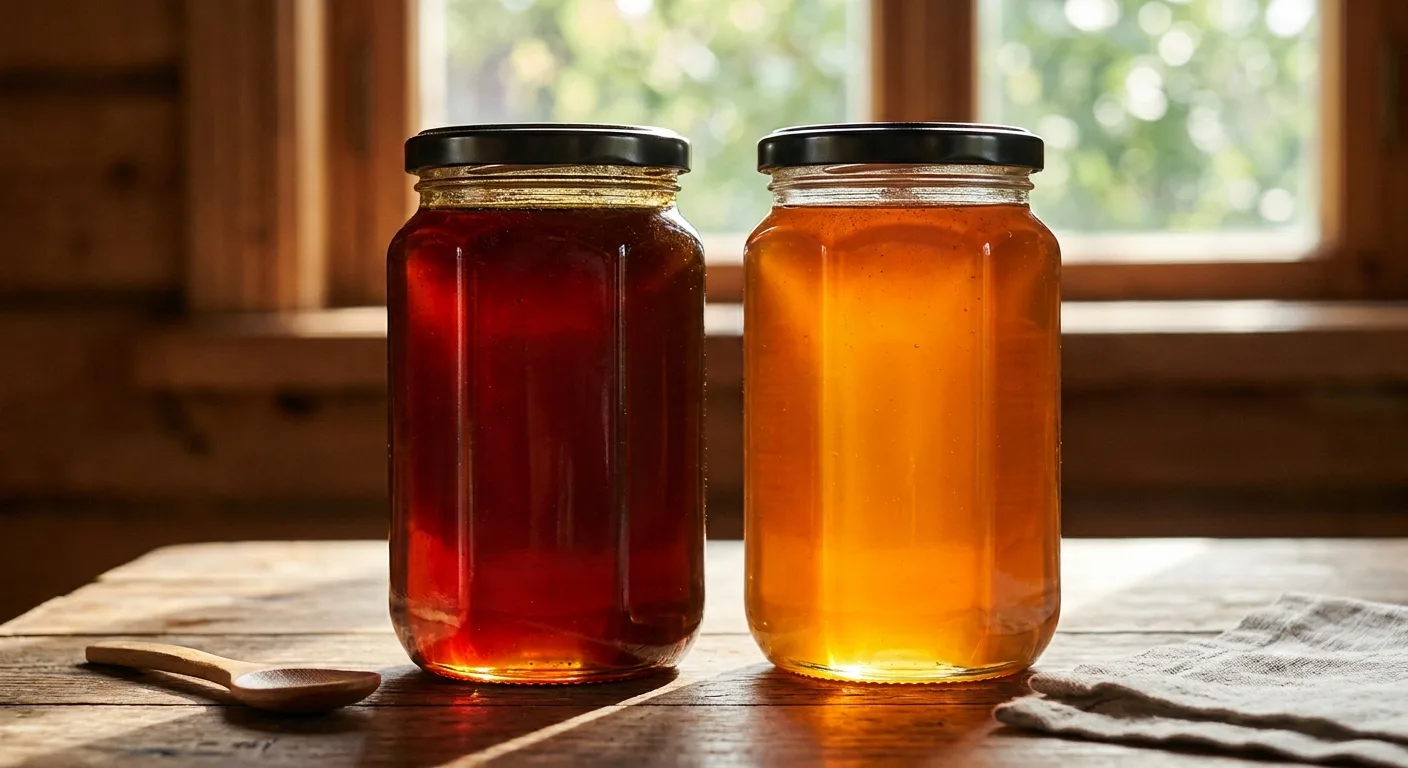
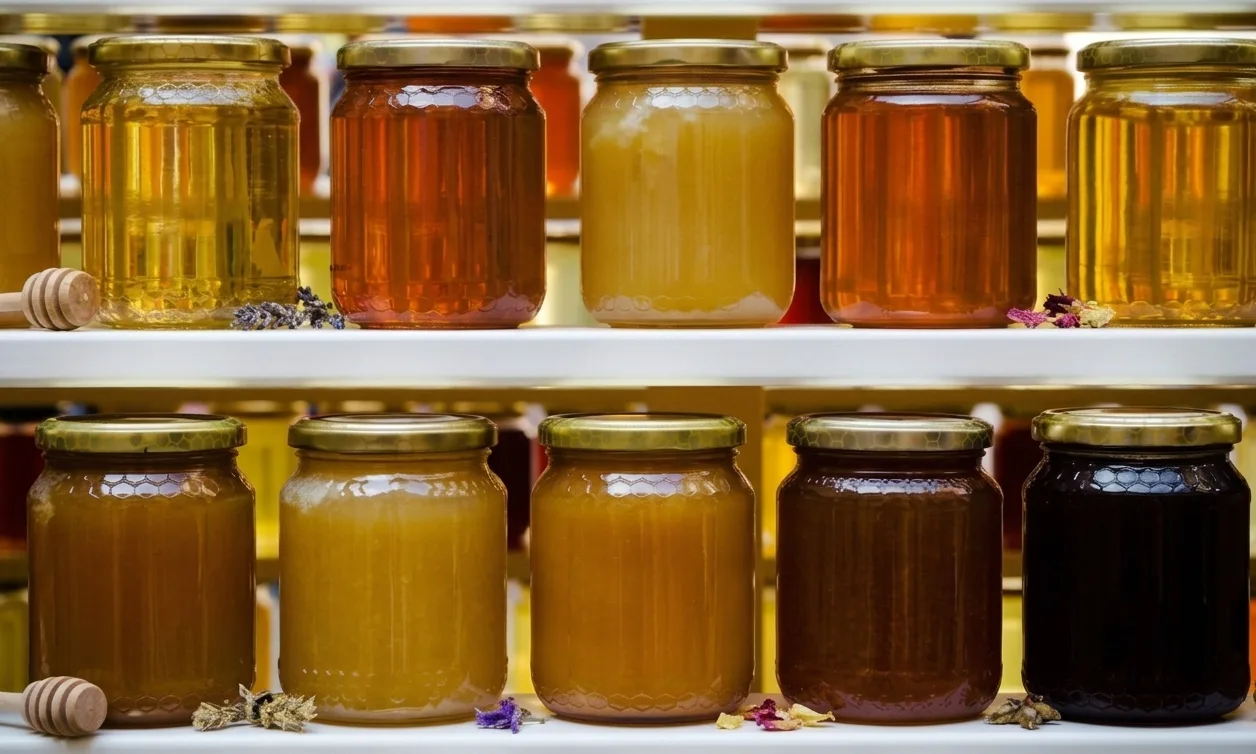
Short answer: Real Sidr honey is a raw, single-origin honey that ranges from light gold to dark, reddish-brown amber, shifting with the season the way our own late-June and mid-August Altai combs do. There is no single “correct” shade. A colour that matches perfectly across every jar, or a glassy water-clear shine, points to a fake more than to quality.
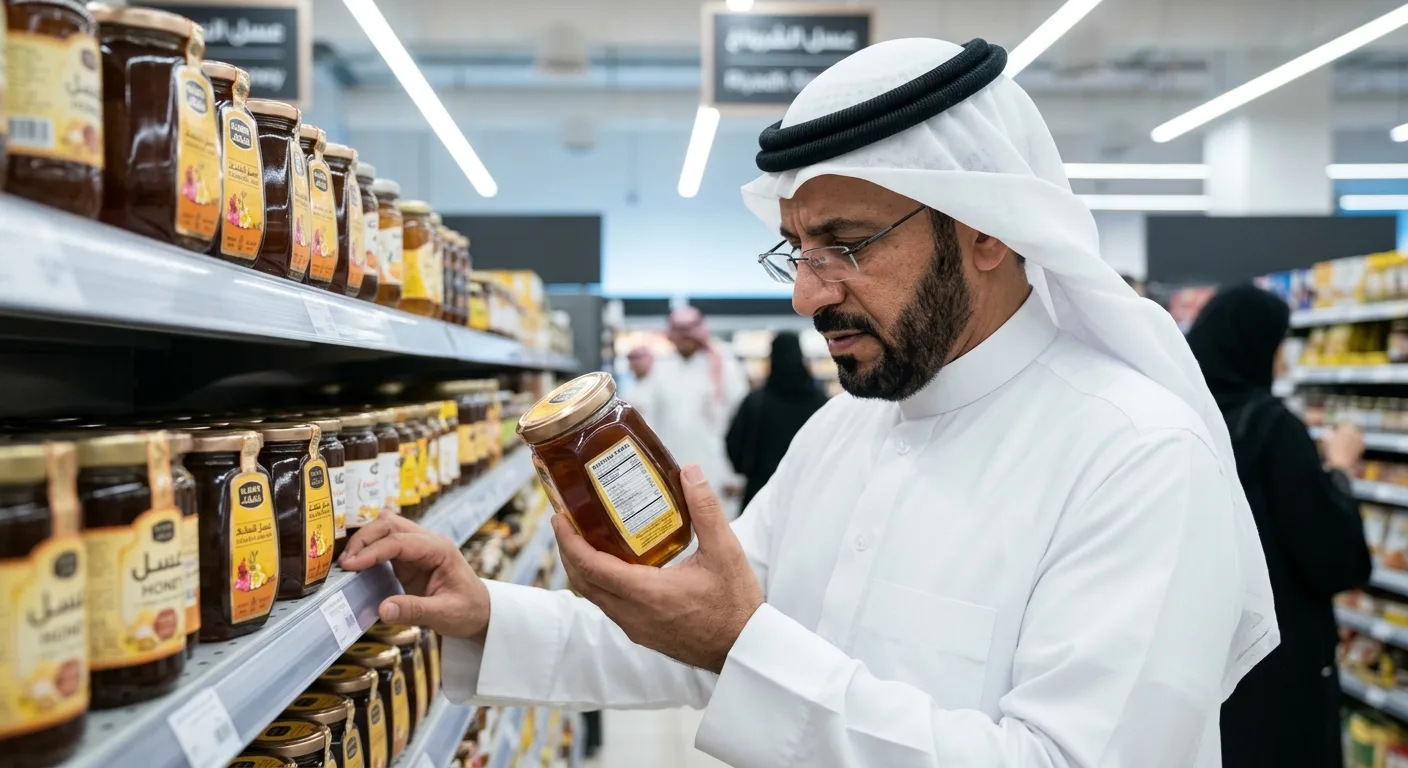
The most repeated complaint in honey reviews on Gulf stores follows one script: “the colour came brown, not like the photo, where’s the royal jelly that was in the ad?” A buyer opens the jar, sees a shade that differs from the glossy ad image, and decides on the spot that the honey is fake or watered down. The flaw in that reasoning is one assumption: that real honey holds a single fixed colour. The opposite is true, and the variation is the proof of an honest harvest. At our own Siberian apiary on Lake Teletskoye, in the Altai (a UNESCO biosphere reserve in southern Siberia), the raw honey we collect comes out a different shade every couple of weeks, so we read colour the way a beekeeper does rather than the way an ad does.
Why does Sidr honey change colour from one jar to the next?
The colour of any raw honey comes from the nectar itself, not from factory processing. The Sidr tree the bees forage on yields nectar whose makeup shifts with the rain, the soil, and the heat of the season. An early-season batch runs lighter, a late-season one runs darker and thicker. We see the same pattern in our own Altai raw honey, which we harvest only between late June and mid-August: the late-June combs run paler than the mid-August ones. We do not sell this honey in a jar, we use it as the raw base inside our lozenges, but the principle behind the colour is the same, whether the honey is Sidr or Altai: real honey is a child of its season, not of a colouring machine.
Honey cut with sugar syrup or glucose tends toward a uniform shade and a glassy clarity, because industrial syrup holds the same colour batch after batch. Ten jars that match like prints off one press point to a factory, not a harvest. This is exactly the kind of product an independent lab certificate is meant to catch, and it is why we test our incoming Altai honey for purity rather than trusting how it looks. The small variation between batches is the fingerprint we want to see.
What are the natural colour grades of Sidr honey?
Real Sidr honey sits inside a wide colour band, not on one point, and we see the same spread of shades across the raw Altai honey we use for our lozenges. All of these grades are natural, and the difference between them comes from the season and the region rather than from adulteration:
- Light gold to amber: the early-season look, like our late-June Altai combs. A clean, warm-yellow shade with medium translucency, not glassy.
- Amber (mid-amber): the shade most people picture for Sidr, and the one our independent lab certificate most often logs for our mid-season honey. A warm honey colour that leans slightly brown against the light.
- Dark amber to reddish-brown: the late-season look, like our mid-August harvest or Sidr from hotter regions. A rich, deep colour, and neither a defect nor a sign of burning.
- A slight haze or cloudiness: raw, unfiltered honey keeps its pollen and fine wax particles, so it looks less than perfectly clear. We keep our source honey below 40°C precisely so those particles and enzymes survive. It tells you the producer did not heat-treat or heavily filter it, not that it spoiled.
The practical rule: if the jar’s colour falls inside that gold-to-reddish-brown band, colour alone does not convict it. This is the same range we verify against the COA on each Altai batch. A colour outside the band, a bright red, a fluorescent yellow, a water-clear transparency, is what earns suspicion.
Does a dark colour mean the honey is fake or burnt?
No. Many people tie a dark colour to burnt sugar or adulteration, but a dark shade in Sidr honey usually signals richer minerals and antioxidants, not a flaw. Honey darkens naturally as the season runs late, which is why our mid-August Altai combs are deeper than the June ones, and it darkens further in storage without spoiling. The real confusion runs the other way: sellers colour inverted sugar syrup to look dark and “premium” on purpose. We avoid that trap on our side by keeping the honey below 40°C, so heat never fakes a deeper colour, and by reading colour together with texture, taste, and smell, which is what the next steps walk through.
How to check Sidr honey by colour, step by step
Colour opens the check, and texture, taste, and smell finish it. This is close to the routine we run on every incoming batch of Altai honey before it goes into a lozenge:
- Hold the jar up to daylight. You want a warm shade between gold and reddish-brown, with depth rather than a glassy, water-clear transparency. That depth is the natural look of raw honey, the same look we expect from our Altai source. A flawless see-through shine is a reason to pause.
- Tilt the jar and watch how it flows. Raw honey runs heavy and slow and leaves a connected thread, the way our Altai honey threads off a spoon rather than pouring. A dark colour paired with a thin, watery texture is a contradiction that exposes syrup-cutting.
- Compare the new batch with the old one. A small colour difference between two purchases of the same honey is expected, because the season changed. We live this every harvest: our late-June Altai combs are lighter than the mid-August ones. A perfect match batch after batch is the unnatural part.
- Ask for the certificate of analysis (COA) and the harvest origin. Colour can mislead, but an independent lab report plus a known region and harvest date do not. We tie a COA to our Altai honey for exactly this reason, and an honest seller hands you those numbers without hesitating.
Why doesn’t the honey colour always match the ad photo?
Studios light and colour-grade ad photos to make the honey a perfect, glowing golden-yellow. The real jar on your table, under your kitchen light, looks darker and more realistic. That does not mean the seller cheated you on the contents, it means the camera flattered the colour. The well-known review “where’s the royal jelly that was in the ad, because the honey came out brown?” is a precise example: the buyer judged the ingredient from the photo, when raw honey is a warm brown by nature, the same warm brown we see in our own Altai combs. Read the written ingredient list and percentages instead of inferring them from how yellow the ad looked.
How we read honey colour at Nature’s Recipes
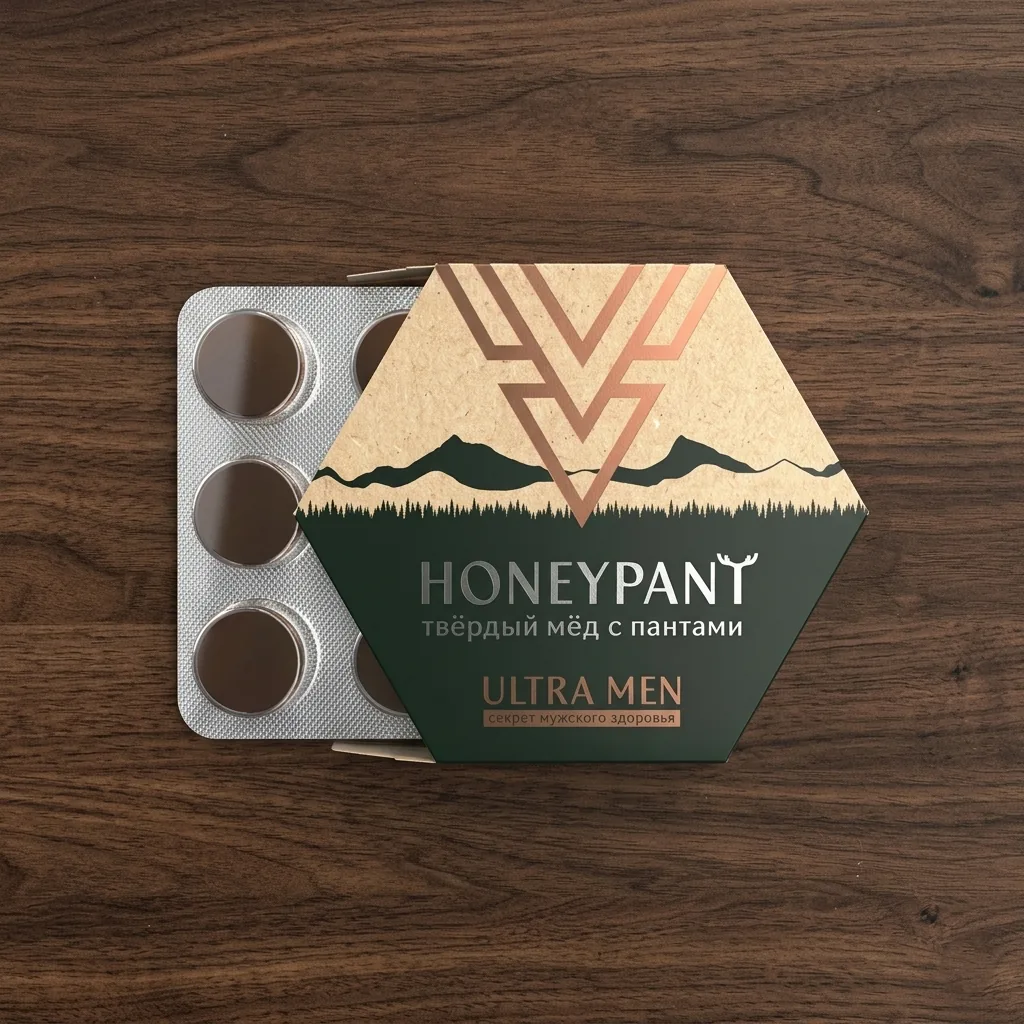
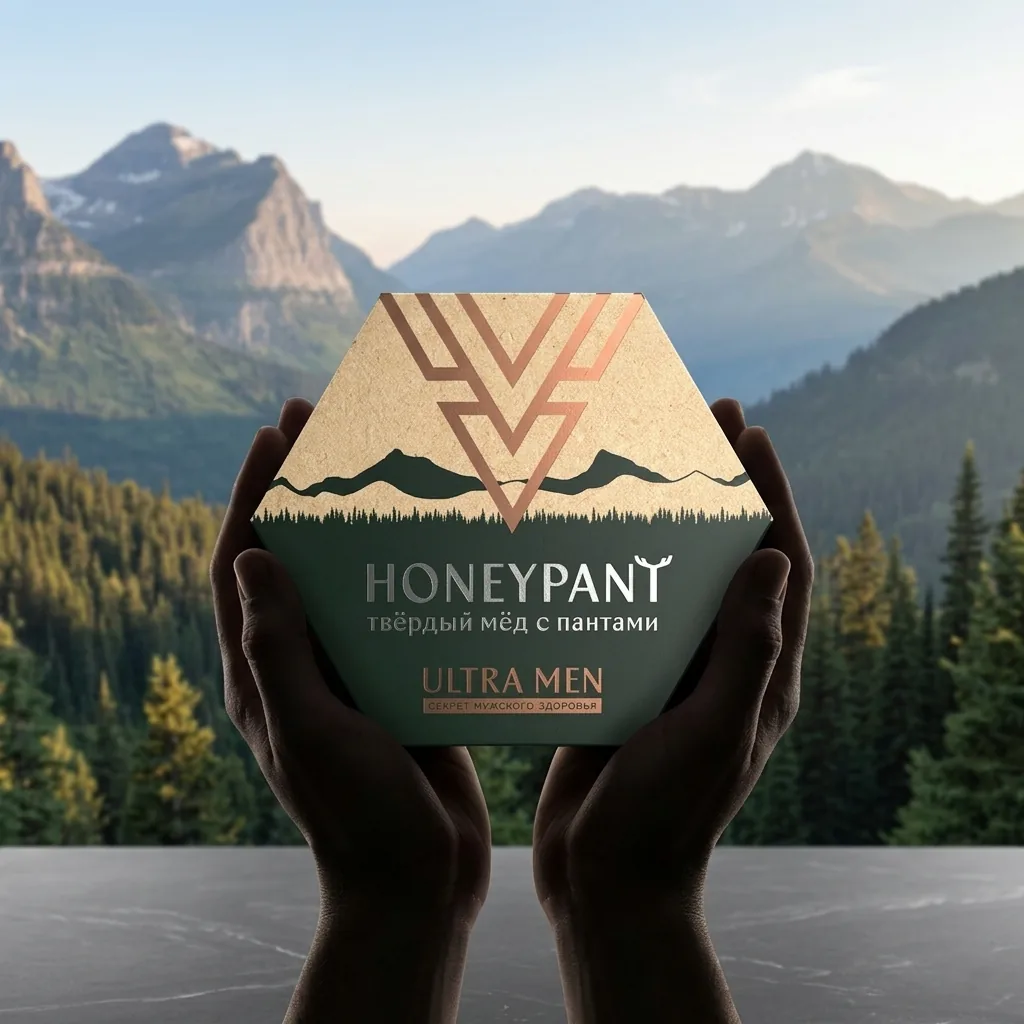
We make lozenges built on roughly 90% raw Altai honey with two Siberian herbs, Leuzea and Red Root (Hedysarum), so honey is our raw material rather than a jar on a shelf. Because of that, we treat its colour the way a beekeeper does: we accept that it varies from batch to batch as proof that it is genuinely raw, and we never dye it or force it to one shade. We keep the honey below 40°C so we do not burn its colour or its enzymes, and we hold an independent lab certificate for purity instead of asking you to trust the colour with your eyes. For a man over 30 who wants steady energy from a source he can actually verify, that documented honey matters more than a jar with an ad photo he cannot check. Most sellers skip this level of documentation, which is where the complaints this article opened with come from.
If you want to see how we spell this out in the product itself, read the ingredients page, where the 90/5/5 ratio and the Altai harvest origin are written plainly, or check our fuller guide on how to tell real honey from fake, which covers tests that go further than colour. Honey that crystallises or shifts shade in the jar throws off the same buyers, and why honey crystallises explains that it is a sign of real honey, not a fault.
FAQ
Is real Sidr honey light or dark in colour?
Both are real. Genuine Sidr honey sits in a band from light gold to dark, brownish amber, depending on the harvest season and the region of the Sidr tree. We see the same spread in the raw Altai honey we use for our lozenges, where the late-June combs run paler than the mid-August ones. The variation between batches is natural and expected.
Is a dark colour a sign that honey is adulterated?
Not necessarily. A dark shade in Sidr usually points to richer minerals and a late-season harvest, the way our mid-August Altai combs deepen, and raw honey darkens further in storage. You catch adulteration by reading colour together with texture, taste, smell, and an independent lab certificate, not by colour alone.
Why does the honey in the jar look different from the ad photo?
Studios light and colour-grade ad photos to make honey lighter and glossier. Real raw honey under your home light looks darker and more realistic, the same warm brown we see in our Altai combs. The difference is usually the camera, not missing contents. Read the written ingredients instead of judging from the photo’s colour.
Is cloudy or hazy honey a sign that it has gone bad?
No. Raw, unfiltered honey keeps its pollen and fine wax particles, so it sometimes looks less than clear. That is a sign the producer did not heat-treat or heavily filter it, which is a good trait in natural honey. We keep our own Altai honey below 40°C to protect exactly those particles and enzymes.
How do I confirm for certain that a honey colour is natural?
Treat colour as a first gate, then add three things: a texture that runs heavy and slow, a natural taste and smell, and an independent lab certificate (COA) with a known region and harvest date. We tie a COA to our Altai honey for that reason, and an honest seller provides those numbers without hesitating.
Reading honey colour: what to keep in mind
Real Sidr honey lives in a band from gold to dark amber, and the way it varies between batches is proof of its honesty, not a defect. A company that engineers one flawless, glowing shade is usually selling an industrial consistency rather than a natural product. At Nature’s Recipes we treat honey as the raw material for our lozenges (around 90% raw Altai honey), keep it below 40°C, and hold an independent lab certificate for purity, so we prove what is inside with numbers instead of a glossy photo. If you would rather have a sugar alternative built on raw honey with a documented Altai origin than a jar whose colour looks “perfect,” see the honey adaptogen lozenges and where their honey comes from. If your order arrives damaged or wrong, we replace it or refund it against a photo within 7 days.