Last updated: 6 July 2026
Short answer: Ashwagandha is not addictive the way caffeine or nicotine is. It builds no chemical high, no cravings, no dose you keep chasing. It is an adaptogen, the same category as the Leuzea and Red Root in our lozenges, meant to be taken as a course that builds up over 10 to 14 days. Stopping it suddenly can feel off, which is still not addiction.
A man in Jeddah types one worried question into his phone before he buys anything: “اشواجندا هل تسبب ادمان,” is ashwagandha addictive. Others ask it more bluntly, “هل هي مخدرات,” is it a drug, or worry whether it will show up in a blood test like one. The fear is real, and it stops a lot of Gulf men from trying any herb for energy at all. So it is worth answering plainly before anything else: an adaptogen and an addictive drug are two different things, and the difference is the whole point of this guide.
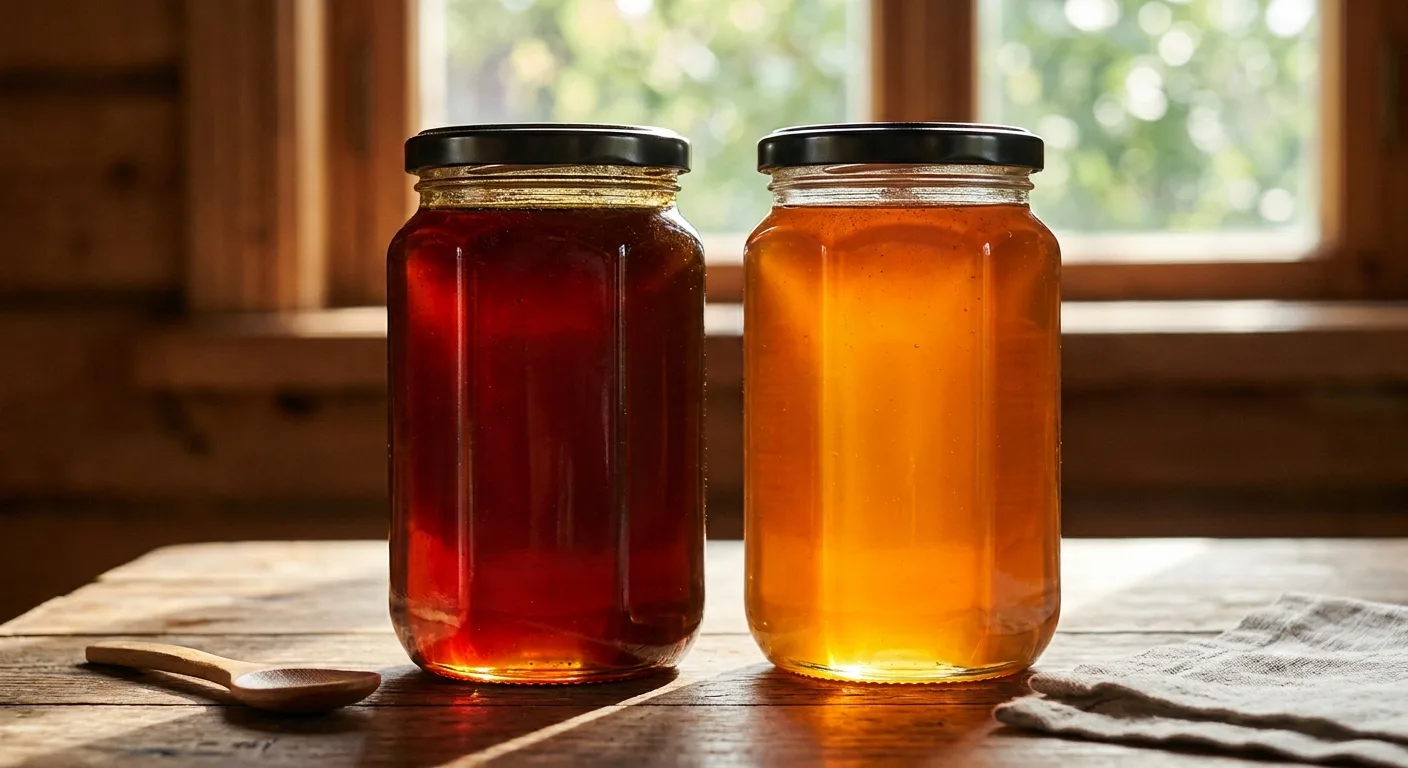
We make a honey adaptogen lozenge, so this is a question we get asked in our own inbox. Our lozenges do not contain ashwagandha, they carry two other adaptogens, Leuzea and Red Root, in 90% raw Siberian honey. That means we have no reason to oversell ashwagandha and no reason to scare you off it. We want the word “addictive” used correctly, because getting it wrong keeps men on the energy drinks they crash off instead.
Is ashwagandha addictive?
No, not in the way that word usually means. An addictive substance does two things: it creates a reward you start chasing, a spike or a high, and it makes your body demand more to reach the same feeling. Caffeine does the milder version of this, nicotine the strong one. Ashwagandha does neither, and the same holds for the two adaptogens in our own lozenges, Leuzea (Rhaponticum carthamoides) and Red Root (Hedysarum neglectum). An adaptogen nudges the body’s own stress response toward balance over time rather than firing off a hit you feel in twenty minutes.
Because the effect builds up gradually across a 10-to-14-day course, there is no fast reward to chase, so there is nothing to keep chasing. Our lozenges hold 90% raw honey with those two herbs, taken three a day, and a man works through a pack of 12 lozenges in four days at that rate. That is a steady daily routine closer to a morning walk than to a cigarette.
Is ashwagandha a drug, and will it show up on a drug test?
Ashwagandha (Withania somnifera) is a root from a plant, sold as a food supplement, not a pharmaceutical drug. A drug test looks for specific controlled substances, things like opioids, cannabis, or amphetamines, and ashwagandha is none of those. A standard test is not built to detect it, and taking a plant adaptogen will not flag you the way a banned substance would. Men in the Gulf ask this exact thing, “هل تظهر في التحاليل كمخدرات,” will it show in tests like a drug, and the honest answer is that a herb is not a narcotic.
The same holds for the herbs in our lozenges. Leuzea and Red Root are Siberian adaptogens with a long history of use for physical stamina, not controlled substances. Our product is a food supplement of raw honey and two plant adaptogens, the kind of thing you would list next to honey on a customs form, not something a drug panel is designed to catch. If you take medication for blood pressure, the thyroid, hormones, or you are on MAO inhibitors or blood thinners, that is a real reason to check with a doctor first, but that is an interaction question, not a “will this get me hooked” one.
Why do some people feel off when they stop taking ashwagandha?
This is where the addiction fear usually comes from, and it deserves an honest answer rather than a brush-off. One person described quitting ashwagandha cold and getting sharp muscle cramps, “اذا تركتها يصير شد في العضلات شديد وباذات عضلات الظهر,” strong cramps especially in the back. That feels like withdrawal, so people call it withdrawal. What is more likely happening is that the body got used to the herb’s steadying effect, and pulling it out abruptly leaves a gap, the same way stopping a regular exercise routine suddenly leaves you feeling flat for a week.
A second, separate problem gets blamed on “addiction” when it comes down to dose. One Amazon.sa buyer took a single high dose of ashwagandha, called it “الجرعه قويه جدا,” very strong, and described a strange apathy and blunted feelings afterward, “تبلد بالمشاعر.” That buyer had run into a dose problem, not a craving. Her report is a big reason our lozenges spread a gentler load across three small lozenges a day, so there is no oversized dose to react to and no cliff to fall off if you stop. For the fuller breakdown of the capsule dose problem, we covered it in ashwagandha capsules vs honey lozenges.
Adaptogen vs stimulant: which one hooks you?
Put a stimulant and an adaptogen side by side and you can see why “addictive” fits one and not the other. This is the difference Gulf men are asking about when they say “ادمان,” even if the word points the wrong way. Our own lozenges sit firmly on the adaptogen side: no stimulant, three small doses a day, an effect that shows up by day 10 to 14.
- Speed of the effect. A stimulant hits in minutes, a caffeine jolt or an energy-drink rush you notice fast and remember. An adaptogen builds up over a course. With our lozenges, most men notice steadier energy around day 10 to 14, well after the first hour, so there is no fast reward to lock onto.
- Taking more. With a stimulant, tolerance climbs, and you need a bigger dose over time to feel the same lift. Adaptogens are not built to be escalated. One Amazon.sa buyer who took a very strong single dose of ashwagandha (“الجرعه قويه جدا”) ended up with apathy rather than a better result, which is why we cap the routine at three small lozenges a day.
- Stopping. Quit caffeine cold and you get a real headache for days, a genuine chemical rebound. Stop an adaptogen and, at most, you lose the steadying effect and return to your baseline, the way you would a week after dropping a gym routine. Some men report muscle cramps quitting ashwagandha abruptly, and easing off over a few days rather than slamming the brakes avoids most of that.
- Cravings. A stimulant creates a want, the 4pm slump that only coffee seems to fix. Because our three-a-day lozenge never delivers a spike in the first place, day 10 to 14 arrives with no crash and no matching craving on the other side of it. Men tired of refilling on energy drinks come looking for exactly that.
The thing that hooks you is the fast spike you crash off, and that is the energy drink rather than the herb. An adaptogen sits closer to a slow routine, which is why we built our lozenges as a daily course for men over 30, three a day for 48 days a set, instead of a quick pick-me-up.
Is a honey adaptogen lozenge habit-forming?
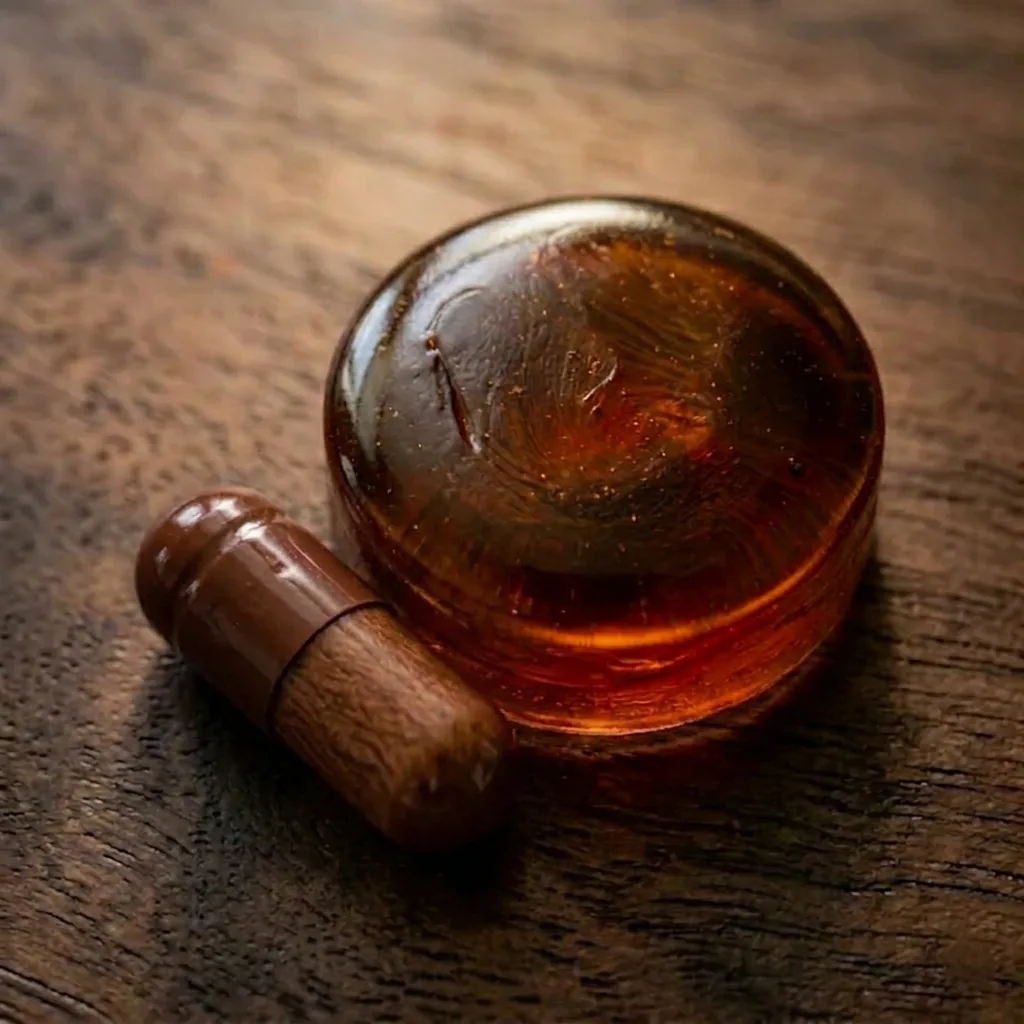
Not in the addictive sense. A honey adaptogen lozenge is a small piece of raw honey with two adaptogen herbs blended in, made for men over 30 who want steady natural energy through a long day instead of a caffeine spike. You take three a day, morning, midday, and evening, letting each dissolve over three to four minutes. Because the effect is cumulative, it works as a course, and most men feel steadier by day 10 to 14, not on the first day. That slow build is the opposite of a substance you get hooked on.
The honey inside each lozenge, about 90% of it, comes from one family-run apiary on the shore of Lake Teletskoye, up in the Altai mountains of southern Siberia, a UNESCO biosphere reserve. We keep that honey under 40°C through the whole process so it stays raw, then lab-test it for safety and purity. The working part is the two adaptogens, Leuzea (Rhaponticum carthamoides) and Red Root (Hedysarum neglectum); beeswax and a touch of concentrated cherry juice for taste round it out to five ingredients. No stimulant sits in there, nothing to build a tolerance to, nothing to keep chasing.
FAQ
Is ashwagandha addictive or habit-forming?
No. Ashwagandha is an adaptogen, not a stimulant, so it does not create the chemical high or the escalating dose that defines an addictive substance. You do not build a craving for it the way you do for caffeine or nicotine. The two adaptogens we use instead, Leuzea and Red Root, work the same way: a steady course, not a hit to chase.
Is ashwagandha a drug or a narcotic?
No. Ashwagandha is a root from a plant, sold as a food supplement, not a controlled drug or narcotic. The same is true of the two adaptogens in our lozenges, Leuzea and Red Root: Siberian herbs we lab-test for safety and purity, listed next to raw honey on a supplement label, not substances a drug panel is built to detect. A standard test looks for specific banned drugs, so a plant adaptogen will not flag you the way a narcotic would.
Why do I feel bad when I stop taking ashwagandha?
Most likely because your body got used to the herb’s steadying effect and stopping abruptly leaves a gap, similar to quitting a regular exercise routine cold. One person reported strong muscle cramps after quitting ashwagandha suddenly. That is a rebound to your baseline, not chemical withdrawal from an addictive drug. Easing off gradually rather than stopping all at once tends to avoid it.
Can taking too much ashwagandha make you feel worse?
Yes, and this gets confused with addiction when it comes down to dose. One Amazon.sa buyer took a very strong single dose (“الجرعه قويه جدا”) and reported a strange apathy and blunted feelings afterward. More is not better with an adaptogen. We spread the load across three small lozenges a day for exactly that reason, so no single dose ever lands that hard.
Does a honey adaptogen lozenge contain ashwagandha?
No. Our lozenges are about 90% raw Siberian honey with two other adaptogens, Leuzea (Rhaponticum carthamoides) and Red Root (Hedysarum neglectum), plus beeswax and a little cherry juice for taste, five ingredients in total. We chose two Siberian adaptogens that support steady daytime stamina, taken as a course over several weeks with none of the habit-forming pull of a stimulant.
Steady energy you take as a course, not a habit you chase
If what worries you about a supplement is getting hooked, a honey adaptogen lozenge carries none of the machinery for it: no stimulant, no spike, nothing to build a tolerance to. Ours is about 90% raw Siberian honey carrying Leuzea and Red Root, five ingredients, taken three times a day as a steady course for men over 30. You let it dissolve like a sweet, and the effect builds up by around day 10 to 14.
Delivery to all six GCC countries costs you nothing. Our promise on top of that is narrow but firm: if the pack that reaches you is broken or is not the one you ordered, send us a photo inside 7 days and you get a replacement or your money back. The payment page is secured.
Written by Yaroslav, founder of Nature’s Recipes. Our lozenges run on Leuzea and Red Root, not ashwagandha, yet the “getting hooked” worry lands in my inbox from Gulf men all the time, and nine times out of ten the real culprit is the energy drink they crash off. If you’re weighing forms, the halal side of the capsule question is in is ashwagandha halal.