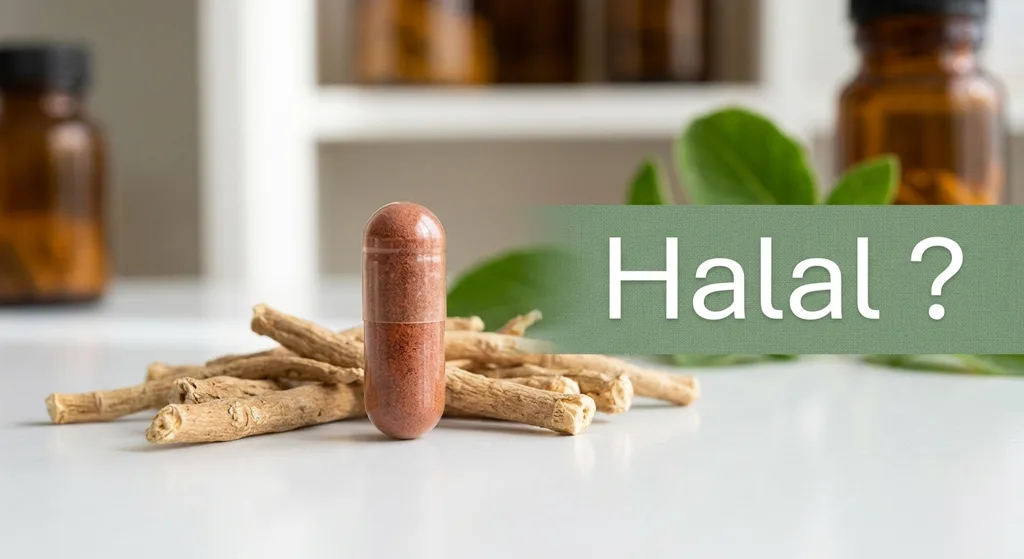
Short answer: Ashwagandha the plant is halal, because it is a root, not an animal product. The halal problem is the capsule shell around it: many supplement shells are bovine or porcine gelatine, and a bottle can read “vegan” while the shell stays animal gelatine. To be sure, check the shell material, or pick a form with no shell, such as a honey lozenge.
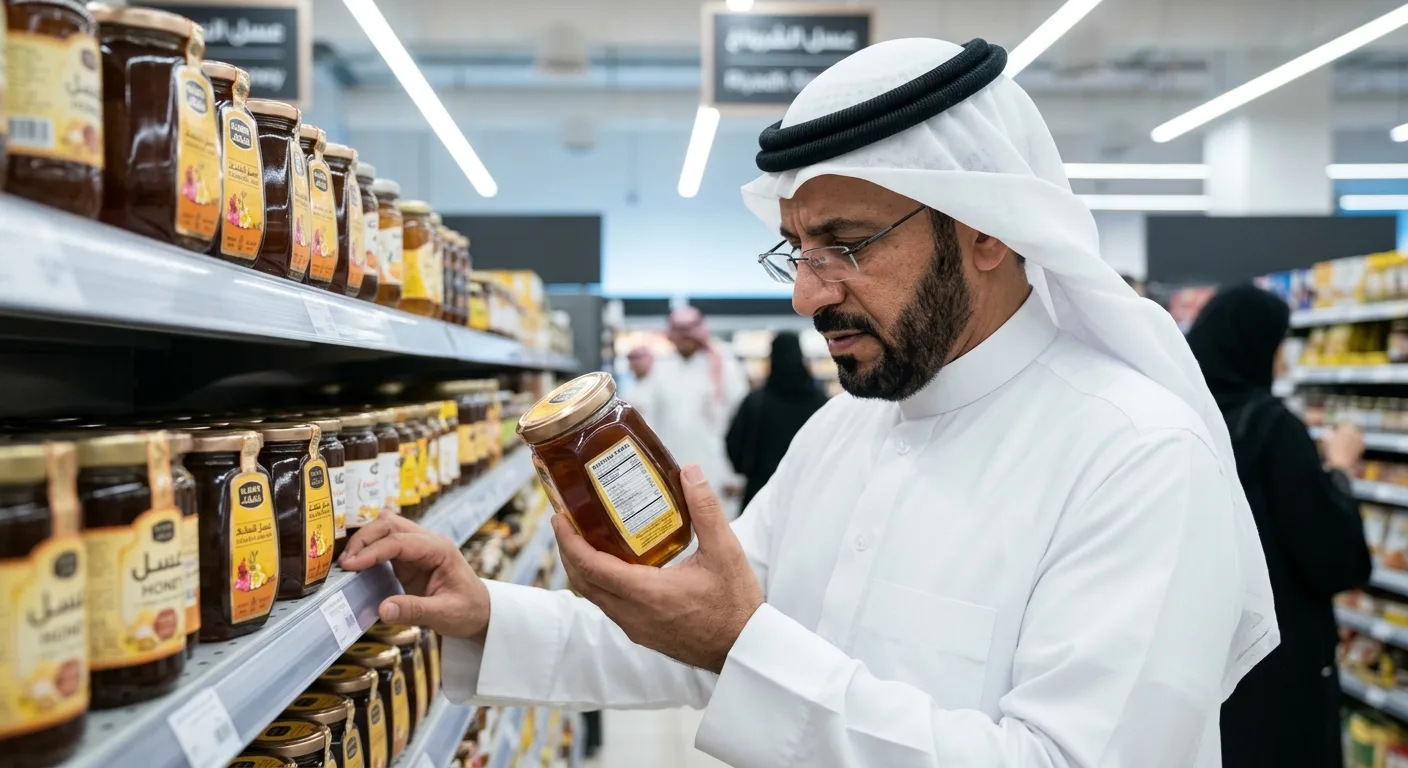
A man in Riyadh adds an ashwagandha bottle to his cart, then stops at one question that the label does not answer cleanly: is this halal? He is right to pause. One buyer left a review on a popular ashwagandha brand warning other Muslims in plain words: “Not halal, its bovine gelatine capsule, pay attention in all of pills, the most important that the pill writes (vegan).” A second, separate reviewer said the same thing in Arabic, “ترا فيها جيلاتين غير حلال, انتبهوا,” meaning there is non-halal gelatine in it, be careful. Both were warning fellow Muslims about the same product. Neither was talking about the herb.
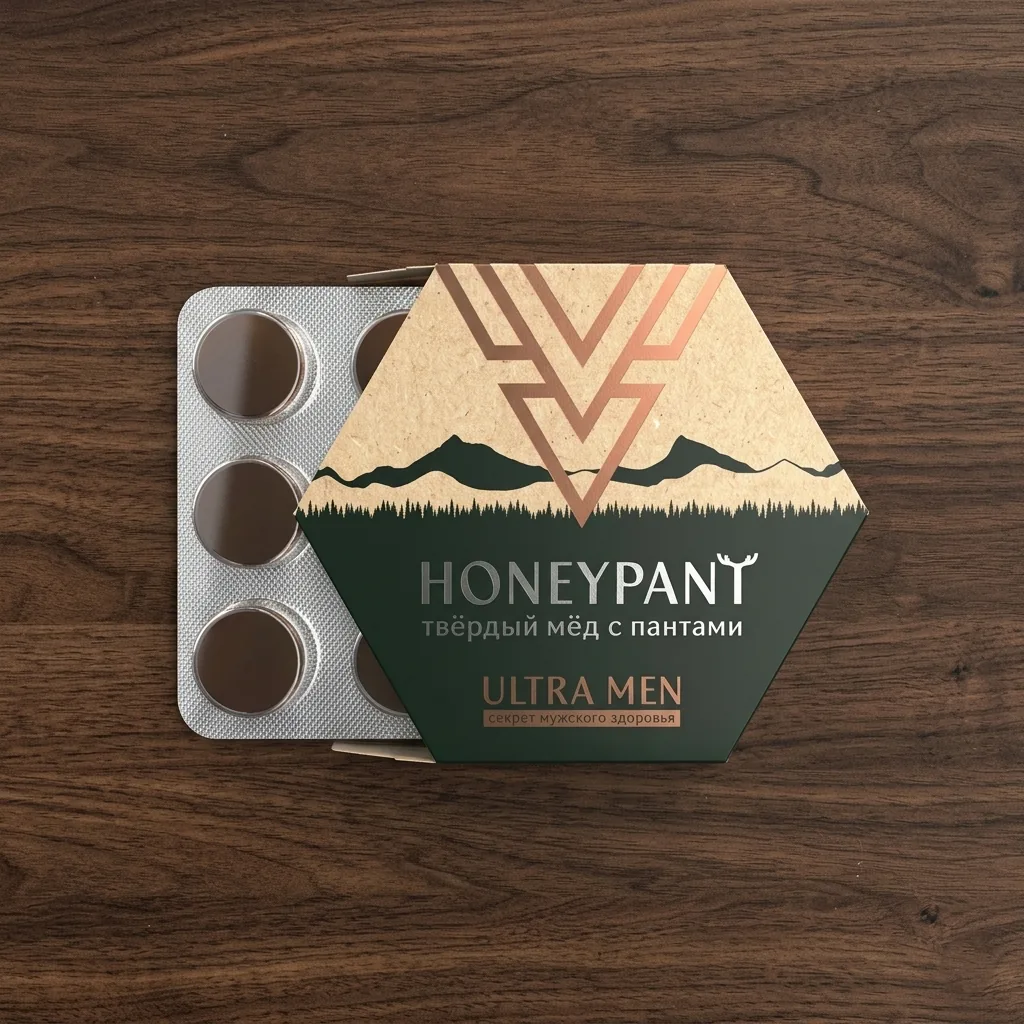
That is the whole point of this guide. The ashwagandha root is fine. The shell a manufacturer packs it into is where the halal question lives, and most labels say nothing about it. We make a honey adaptogen lozenge with no shell at all, five ingredients carried in raw honey, so we have read these reviews closely, and this guide lays out where the halal break happens and how to check before you buy. We do not sell ashwagandha, so this is about the halal status of the form, not a pitch that our herb beats theirs.
Is ashwagandha itself halal?
Yes. Ashwagandha (Withania somnifera) is a root from a plant, and a plant on its own carries no halal concern. There is no animal product in the root, no alcohol in the dried powder, nothing that would make the herb itself impermissible. The two Siberian adaptogens we use, Leuzea (Rhaponticum carthamoides) and Red Root (Hedysarum neglectum), are plants in the same sense, with the same clean halal status as a herb. If any of these came as a loose powder you stirred into honey or warm milk, the halal question would barely come up.
The doubt appears the moment a manufacturer packs that powder into something to swallow. A capsule needs a shell, and a tablet needs binders, and in those added parts a manufacturer can quietly slip in an animal ingredient, into a product that is otherwise a plant on its own. The honest answer to “is ashwagandha halal” splits in two: the herb yes, the finished pill it depends. That same logic is why we built our own product around raw honey carrying Leuzea and Red Root instead of a powder in a casing. Honey is the carrier, so there is no shell to question in the first place.
Why is a capsule not halal if it says “vegan”?
This is the trap the two Amazon.sa reviewers ran into. Manufacturers make most hard supplement capsules from gelatine, and they make that gelatine by boiling down animal skin and bone, usually cattle or pig. Cattle gelatine is only halal if the animal went through halal slaughter, which a mass supplement rarely guarantees, and pork gelatine is never halal. The shell decides whether the whole product is halal, while the herb inside stays the same plant either way.
The word “vegan” should rule gelatine out, since gelatine is an animal product. The complaint those buyers raised is that the front of the bottle said “vegan” while the capsule was still bovine gelatine, which is either a labelling error or a careless claim. For a Muslim buyer that gap is not a small thing, it is the difference between halal and haram sitting on a label you were trusting. We took the opposite route with our own lozenges, halal by composition with five ingredients and no casing, and a formal SFDA halal certification in progress on top of that. It is the same instinct that makes Gulf buyers scrutinise honey labels too, the suspicion that the front of the pack and the truth inside do not match. If that distrust is familiar, our guide on how to tell real honey from fake walks through reading past the marketing on a honey jar the same way.
How can you tell if a supplement capsule is halal?
You verify the shell, not the herb, and you do not take the front label as the final word. Our lozenges have no capsule line to read in the first place, but if you are checking a capsule product, three checks settle it before you buy:
- Read the capsule material on the back panel, past the front claim. Look on the back or the supplement-facts panel for the words “capsule (gelatine),” “bovine gelatine,” or “porcine.” If it reads “vegetable capsule,” “HPMC,” or “cellulose,” the shell is plant-based. A “vegan” or “vegetarian” claim on the front is a hint, not proof, so confirm it against the capsule line itself. (Our lozenges skip this step: there is no capsule, the herbs sit in raw honey.)
- Look for a real halal mark, not a wellness buzzword. A genuine halal certification names a certifying body, like the SFDA in Saudi Arabia. “Natural,” “clean,” or “vegan” are not halal certifications and do not promise halal slaughter for any animal ingredient. Our own SFDA halal certification is in progress, so today we describe the lozenge as halal by its five plant-and-honey ingredients, not as certified yet.
- When the label is silent, treat it as unconfirmed. If a bottle never states what its capsule is made of, assume gelatine, because gelatine is the cheap default. The two Amazon.sa reviewers above got caught for this reason: the label said nothing useful and they trusted the “vegan” word on the front.
If checking all this on every bottle sounds like work, that is the honest cost of buying a capsule supplement as a Muslim. The way around it is to choose a form that has no shell to verify, which is the reason we built our lozenge around raw Siberian honey carrying Leuzea and Red Root instead of a capsule in the first place.
Which forms of ashwagandha skip the gelatin shell?
Any form that carries the herb without a capsule shell avoids the gelatine question. Loose powder you mix into food is one. A herb carried in honey is another, and that is the route we took with Leuzea and Red Root in raw Siberian honey. These are the practical no-shell options, side by side:
| Form | Halal shell? | Need to verify each batch? | Taste |
|---|---|---|---|
| Gelatine capsule | No (often bovine/porcine) | Yes, and “vegan” can still mislead | None (swallowed) |
| Loose powder | Yes (no shell) | No | Strong, bitter |
| HPMC (vegetable) capsule | Yes (cellulose) | Yes, confirm it is HPMC not gelatine | None (swallowed) |
| Honey lozenge (ours) | Yes (no shell at all) | No, five ingredients, no casing | Raw honey + cherry |
- Loose powder. The plainest no-shell form: you stir the powder into honey, milk, or a smoothie. Halal as long as you add no animal ingredient to the mix. The downside is the strong, bitter taste, the same bitterness buyers complain about in single-herb products, which is why we carry Leuzea and Red Root in 90% raw honey rather than serving them as a raw powder.
- Vegetable-capsule (HPMC) products. A capsule made from cellulose instead of gelatine. Halal-safe on the shell, but you are back to reading the label carefully on every batch to confirm it is HPMC and not gelatine. We do not use HPMC either, because our lozenge has no capsule of any kind.
- A herb-in-honey lozenge. We blend the herbs into solid raw honey that you dissolve in your mouth, so there is no casing at all. Halal by composition. This is the form we make, except the adaptogens are Leuzea and Red Root, not ashwagandha.
Our lozenge is honey, beeswax, Leuzea, Red Root, and a little concentrated cherry juice for taste, five ingredients, none of them animal-derived beyond the beeswax the bees themselves make. There is no gelatine, no swallowed shell, and nothing hidden in a casing for a buyer to second-guess.
How our honey lozenges answer the halal question for you
If the gelatine shell is the reason you keep putting the bottle back, a honey adaptogen lozenge leaves you no shell to verify in the first place. There is no capsule, so there is nothing animal-derived to check. The honey is the carrier, the herbs sit inside it, and you let the lozenge dissolve in your mouth over three to four minutes rather than swallowing a pill.
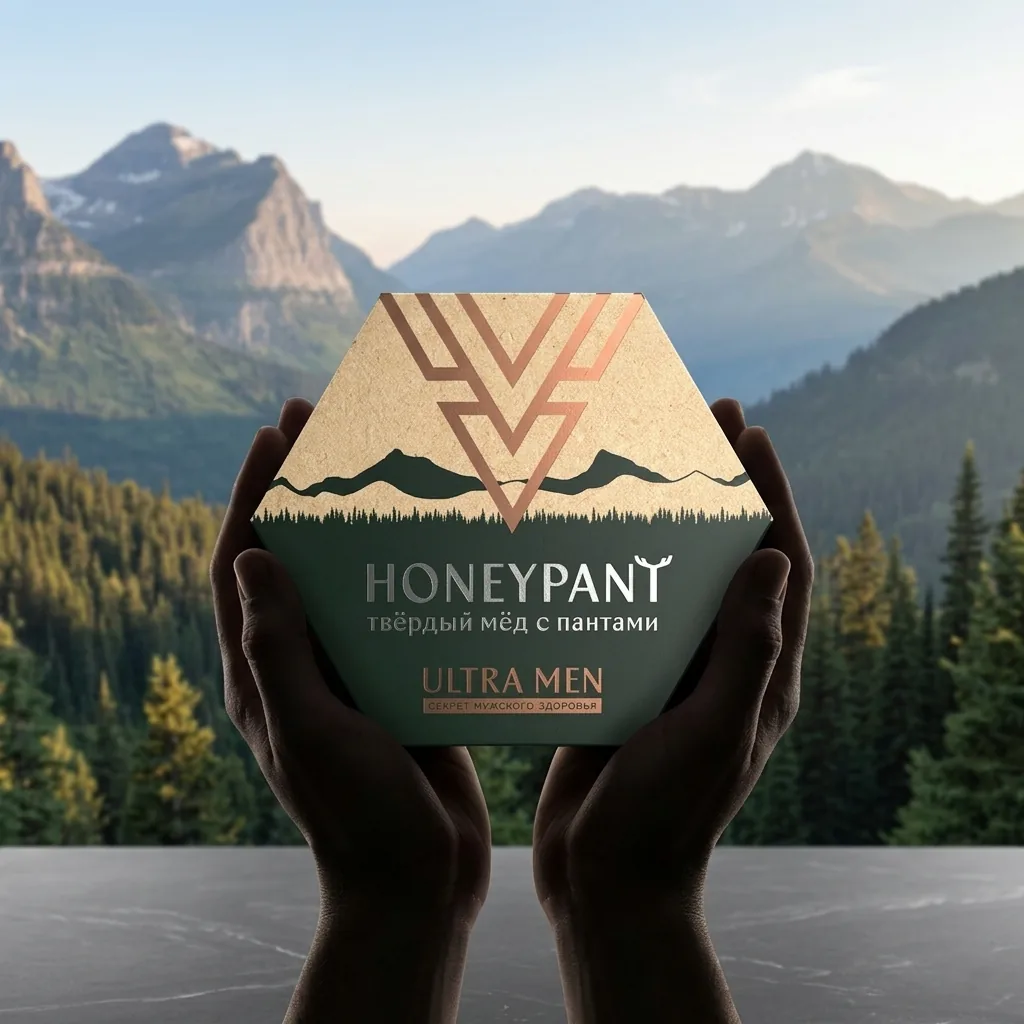
We built this lozenge for men over 30 who want steady, natural energy through a long day, three lozenges daily, with the effect building up by around day 10 to 14 rather than hitting in the first hour. Each lozenge is about 90% raw honey from a single family-run apiary by Lake Teletskoye, a UNESCO biosphere reserve in the Altai mountains of southern Siberia, held below 40°C so it stays raw. The two adaptogens, Leuzea (Rhaponticum carthamoides) and Red Root (Hedysarum neglectum), are Siberian herbs used for steady stamina, not the wind-down effect that draws people to ashwagandha. We lab-test the honey for safety and purity. For a man who already prefers a herb over a pharmacy shelf and needs to be sure the format is halal, that answers both at once.
FAQ
Is ashwagandha haram?
The ashwagandha root itself is not haram. It is a plant, with no animal product or alcohol, so the herb is halal. The concern is the form a manufacturer sells it in: if it comes in a gelatine capsule made from non-halal-slaughtered cattle or from pork, that shell is haram, and the herb inside does not change that. Check the capsule material, or pick a form with no shell, the way our lozenge carries Leuzea and Red Root in raw honey with nothing to swallow.
Does a “vegan” label mean a capsule is halal?
Not reliably. “Vegan” should mean no animal product, which would rule out gelatine, but two Amazon.sa buyers found bottles labelled “vegan” that still used bovine gelatine capsules and warned other Muslims about it. Treat “vegan” as a hint to verify, not as proof. Confirm the capsule material on the back panel, or choose a form with no capsule.
Is bovine gelatine halal?
Only if the cattle were slaughtered according to halal rules, which a mass-market supplement almost never confirms on the label. Without a clear halal mark, treat bovine gelatine as unconfirmed. Porcine (pork) gelatine is never halal. For a Muslim buyer, the safest route is a product with no gelatine shell at all: our lozenges contain none, only five ingredients (raw Siberian honey, beeswax, Leuzea, Red Root, and cherry juice).
Does your honey adaptogen lozenge contain ashwagandha?
No. Our lozenges are about 90% raw Siberian honey with two other adaptogens, Leuzea (Rhaponticum carthamoides) and Red Root (Hedysarum neglectum), plus beeswax and a little cherry juice for taste, five ingredients in total. We chose two Siberian adaptogens that support steady daytime energy. Ashwagandha targets evening wind-down instead, a different goal from the daytime stamina we built this lozenge to support.
Are your honey lozenges halal?
They are halal by composition: there is no gelatine shell and nothing animal-derived beyond beeswax, which is halal. The ingredients are raw Siberian honey, beeswax, Leuzea, Red Root, and concentrated cherry juice. A formal SFDA halal certification is in progress, so we describe the product as halal by its ingredients today, not as certified yet.
A halal adaptogen with no shell to verify
If the gelatine capsule is what keeps stopping you, a honey lozenge takes the question off the table. Ours is about 90% raw Siberian honey carrying Leuzea and Red Root, five ingredients, halal by composition, with nothing sealed in a casing. You let it dissolve like a sweet, three times a day, no pill to swallow and no shell to check.
You read the five ingredients before you buy, the same scrutiny that warned those two Amazon.sa buyers off a gelatine capsule. We carry the shipping across the GCC. Should a pack reach you damaged or wrong, photograph it within 7 days and we will swap it or refund you, and checkout stays secure.
Written by Yaroslav, founder of Nature’s Recipes. We don’t use ashwagandha, but the halal question that follows it around is one we designed our own lozenge to avoid. If you’re weighing the two forms side by side, the full comparison is in ashwagandha capsules vs honey lozenges.