Short answer: Real honey is thick, slow to pour, and crystallises over months into a grainy paste. Fake or sugar-cut honey stays runny, dissolves fast in cold water, and never granulates. The two checks worth doing at home are the cold-water test and the thumb test. The flame test, the blotting-paper test, and “real honey never crystallises” are myths that fail on genuine honey too.
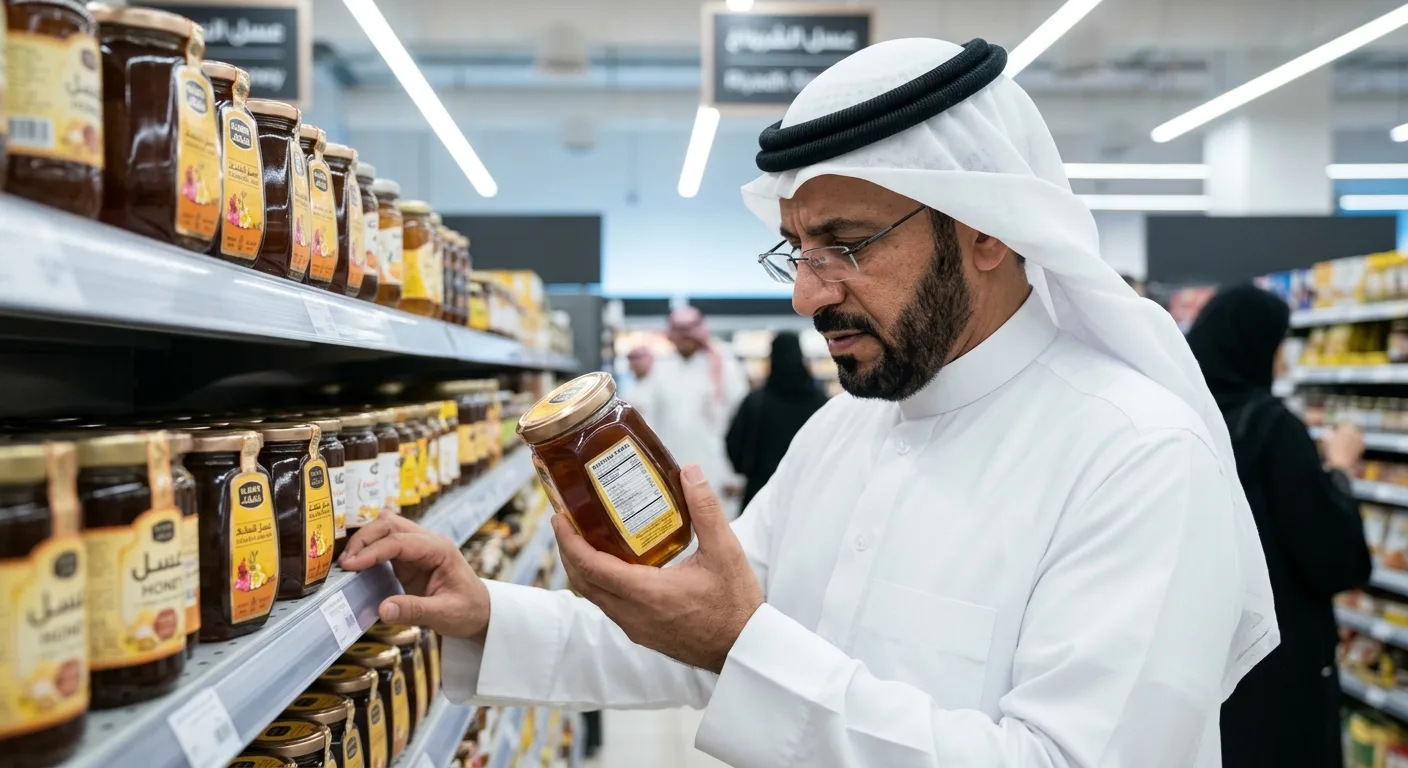
Honey adulteration is the practice of stretching real honey with cheap sugar syrup (rice, corn, or beet) so a jar looks and pours like the real thing while costing the seller far less. It is one of the most faked foods in the world, and across the Gulf it is a daily worry. As one shopper told us about the local shelves: the honey is all cut with sugar, and it’s hard to trust anyone selling you pure honey.
This guide gives you tests you can run in your own kitchen, tells you honestly which ones are reliable and which are folklore, and explains the one thing no home test can replace. It is the same standard we hold our own raw Siberian honey to before it goes into our lozenges.
What are the signs of fake honey?
Before any test, your eyes and the label already tell you a lot. Here is what genuine raw honey shows, with notes on how our own Altai honey behaves:
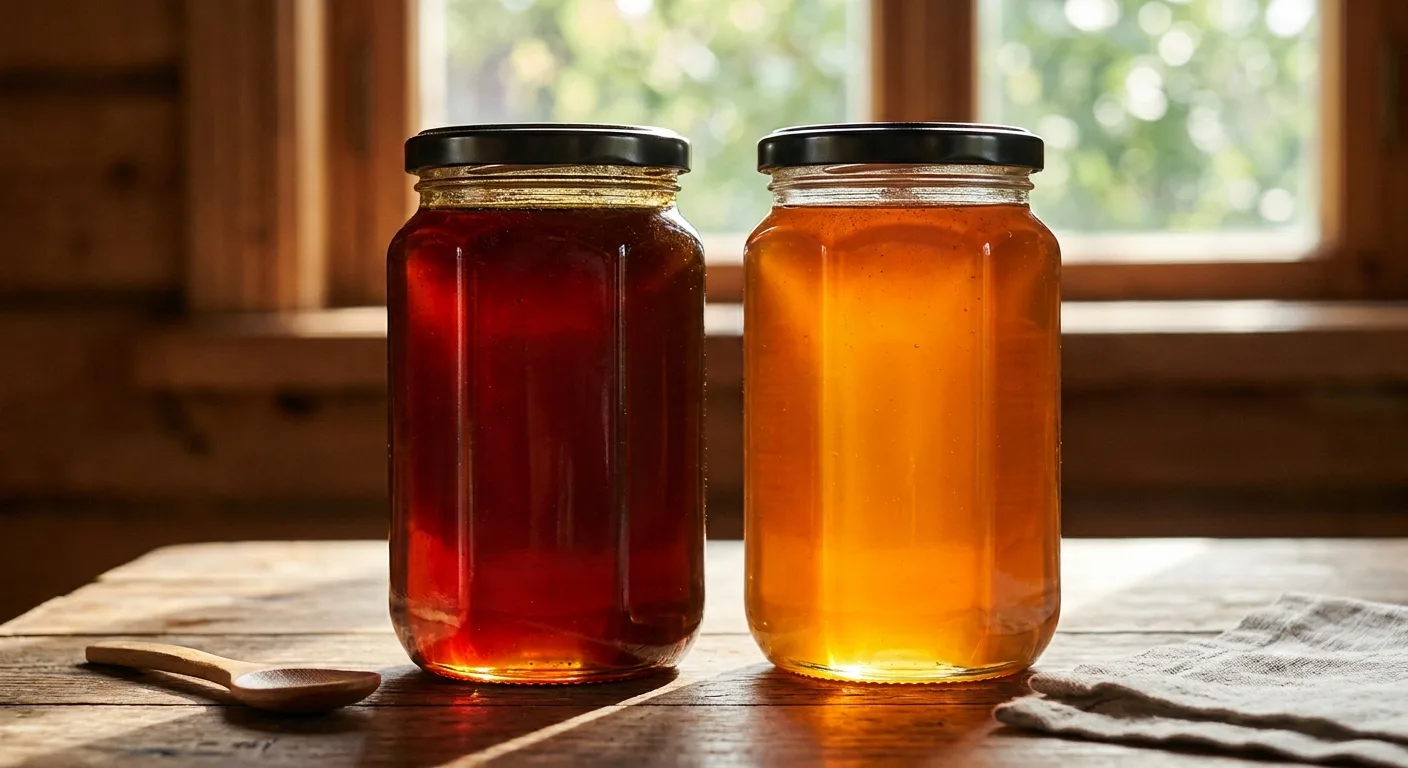
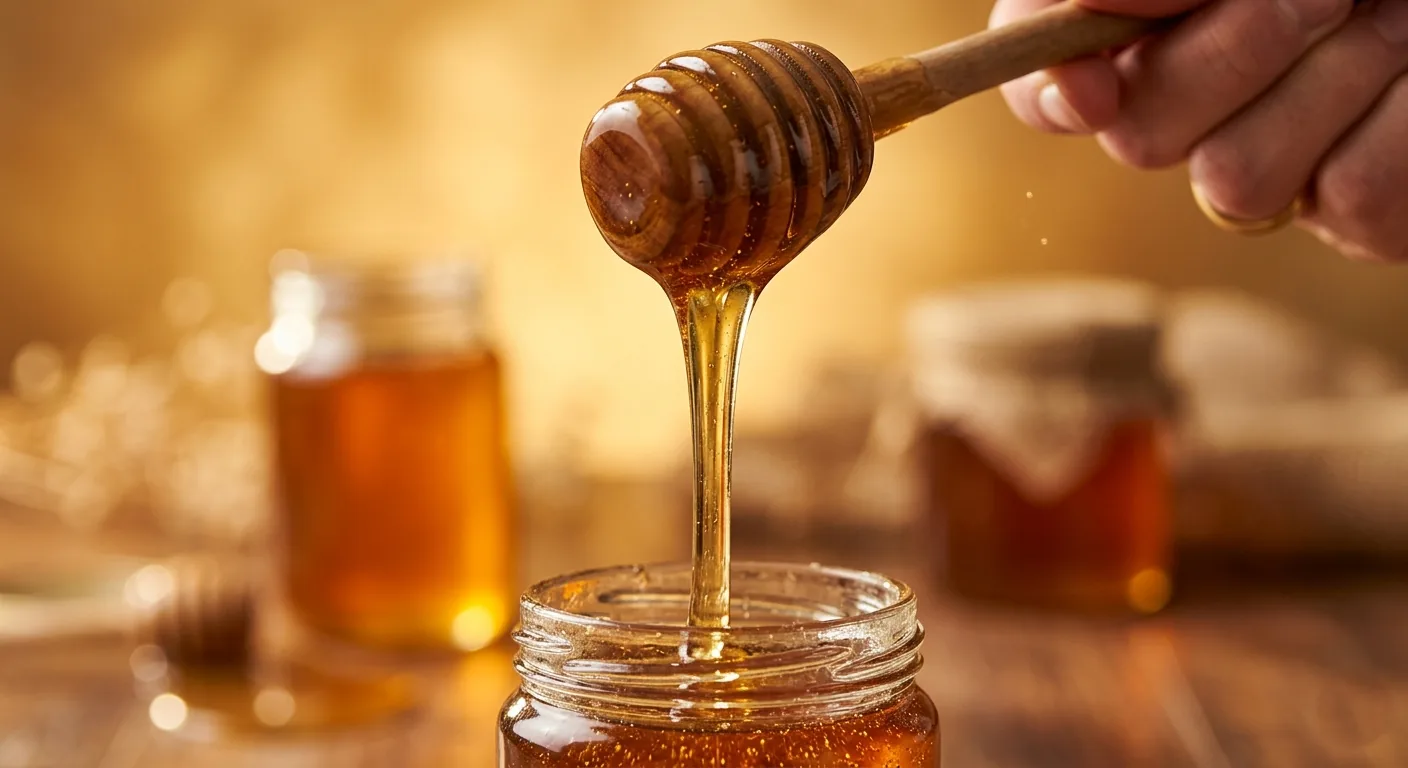
- It pours thick and slow. Real honey is dense. Tilt the jar: it should ooze, not splash. Our raw Altai honey is gathered in the short late-June-to-mid-August window, when the nectar is concentrated, so it runs heavy at room temperature. Watery, fast-running honey is a warning sign (though any honey is naturally thinner when warm, so judge it cool).
- It crystallises over time. Most pure honey turns grainy and pale after a few months. This is a sign of authenticity, not spoilage. Because we keep our honey raw and never heat it above 40°C, it granulates the way unprocessed honey is meant to. Syrup-cut honey often stays glassy and clear for years.
- It has a complex taste and smell. Pure honey carries floral or herbal notes and a faint scent. Our honey picks up the herbal character of the Altai meadows where the Leuzea (Rhaponticum) and Red Root (Hedysarum) we use also grow. Fake honey tastes flatly sweet, like sugar water, with little aroma.
- The label is honest about origin. A real producer names the region, the floral source, and ideally a harvest date. Ours names all three: a single family-run apiary by Lake Teletskoye in the Altai mountains, harvested late June to mid-August. “Blend of EU and non-EU honeys” with no origin is the opposite, and a red flag.
- Natural imperfections. Tiny air bubbles, traces of pollen or wax, slight cloudiness. Because our honey is raw and not ultra-filtered, those natural traces stay in. Mass-filtered fakes are often unnaturally clear.
None of these alone is proof. Together they build a strong picture, and they are exactly the markers we protect by keeping our honey raw rather than heating and filtering it.
How do you test honey at home? (and which tests actually work)
Here is the honest part most blogs skip. Several popular home tests are unreliable: pure honey can fail them, and good fakes can pass. On beekeeping forums you’ll find experienced keepers saying plainly that most “purity tests” are not to be trusted. We ran the common ones on our own raw Altai batch to see which held up. So let’s separate the two.
Tests worth doing
The cold-water test (the most useful). This is the test Gulf shoppers already share with each other, and the one that behaved most reliably on our own honey.
- Fill a glass with cold (not warm) water.
- Add one tablespoon of honey without stirring.
- Watch for a few seconds.
- Real honey sinks and settles in a lump at the bottom; it dissolves only when you stir. Our raw honey settled as a dense lump every time. Sugar-cut honey starts to dissolve and cloud the water on its own.
The thumb test. Put a small drop on your thumb. Real honey stays as a bead and does not spread or run off quickly. Our late-summer Altai honey is thick enough that the drop holds its shape. Adulterated honey is thinner and spreads or drips.
The crystallisation check (over time). If a jar has stayed perfectly liquid and clear for a year or more in a cool cupboard, be suspicious. Our raw honey granulates over a few months precisely because it is never heated above 40°C, while heated supermarket honey is processed to stay liquid. To reverse natural crystallisation, stand the jar in warm water; never microwave it.
Tests to ignore
- The flame test (dipping a matchstick in honey and lighting it). The idea that “real honey burns, fake doesn’t” depends mostly on moisture, not purity. Genuine high-moisture honey can refuse to light, which is why we rely on a lab certificate for each batch rather than a match. Skip it.
- The blotting-paper / tissue test (“real honey won’t wet the paper”). Pure honey with normal moisture can soak through too. It failed on our own genuine honey, so it tells you nothing. Unreliable.
- “Real honey never crystallises.” The opposite is true. Our raw Altai honey crystallises every season, and this myth makes people throw out their most genuine honey.
A home test can raise a flag. It cannot give you a verdict. That is why we commission an independent lab certificate (COA) for every harvest, instead of asking you to trust a kitchen trick.
How do you know if honey is really pure?
Home tests give you hints, not proof. The deeper truth is that purity starts long before the jar reaches your kitchen, with how the honey was sourced and handled. So the most reliable check is not a trick with water. It is buying from a producer who can answer three questions without hesitating, and here is how we answer them.
- Where exactly was this honey harvested, and from which plants? Ours comes from one family-run apiary by Lake Teletskoye, a UNESCO biosphere reserve in the Altai mountains of southern Siberia.
- What season was it gathered, and who keeps the bees? Late June to mid-August, by the same family that runs the apiary.
- Has it been heated or ultra-filtered? No. We keep the raw material below 40°C through the whole process, so the natural enzymes and pollen that make honey real stay intact.
A seller who can name the region, the apiary, and the harvest, and who keeps the honey raw, has nothing to hide. A seller who answers with a vague “premium blend” and no origin usually does. If a seller dodges these questions, the price on the jar is the least of your problems.
How our honey answers the “is it real” question
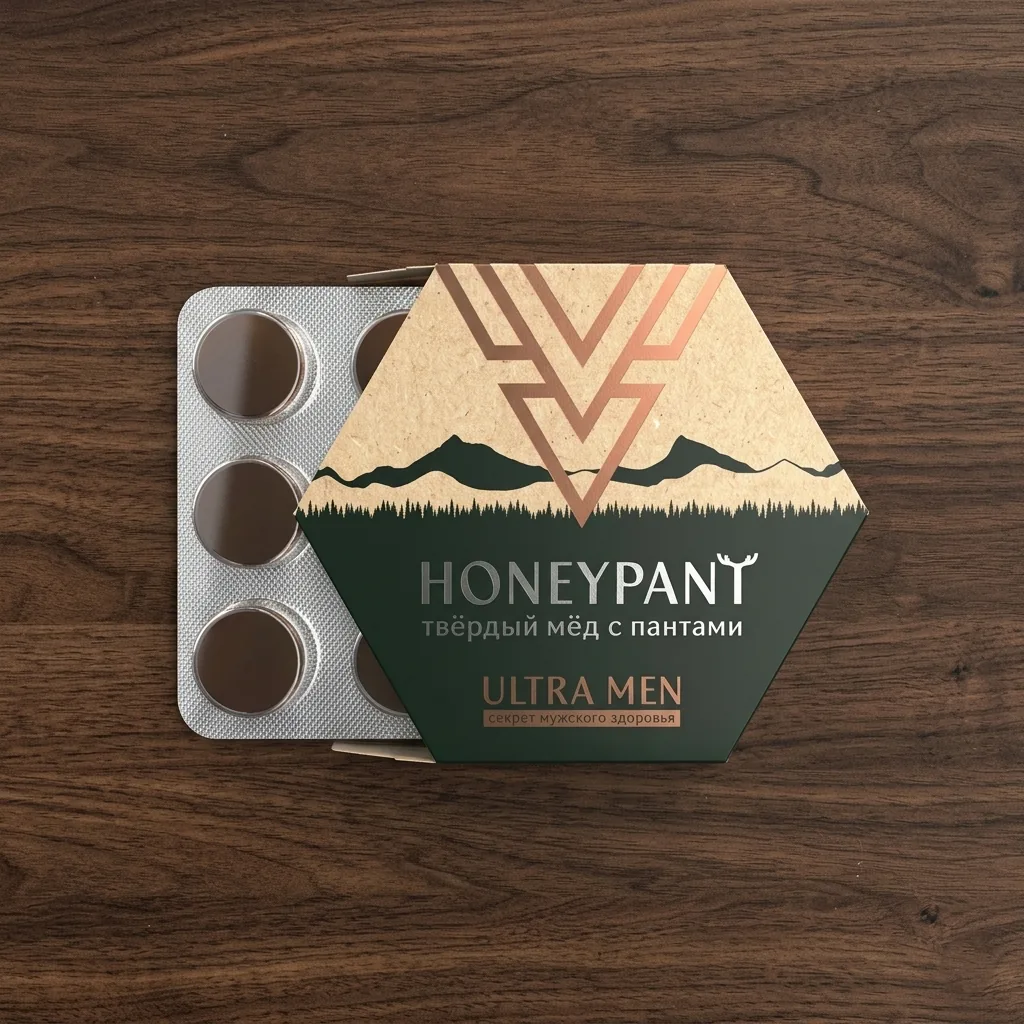
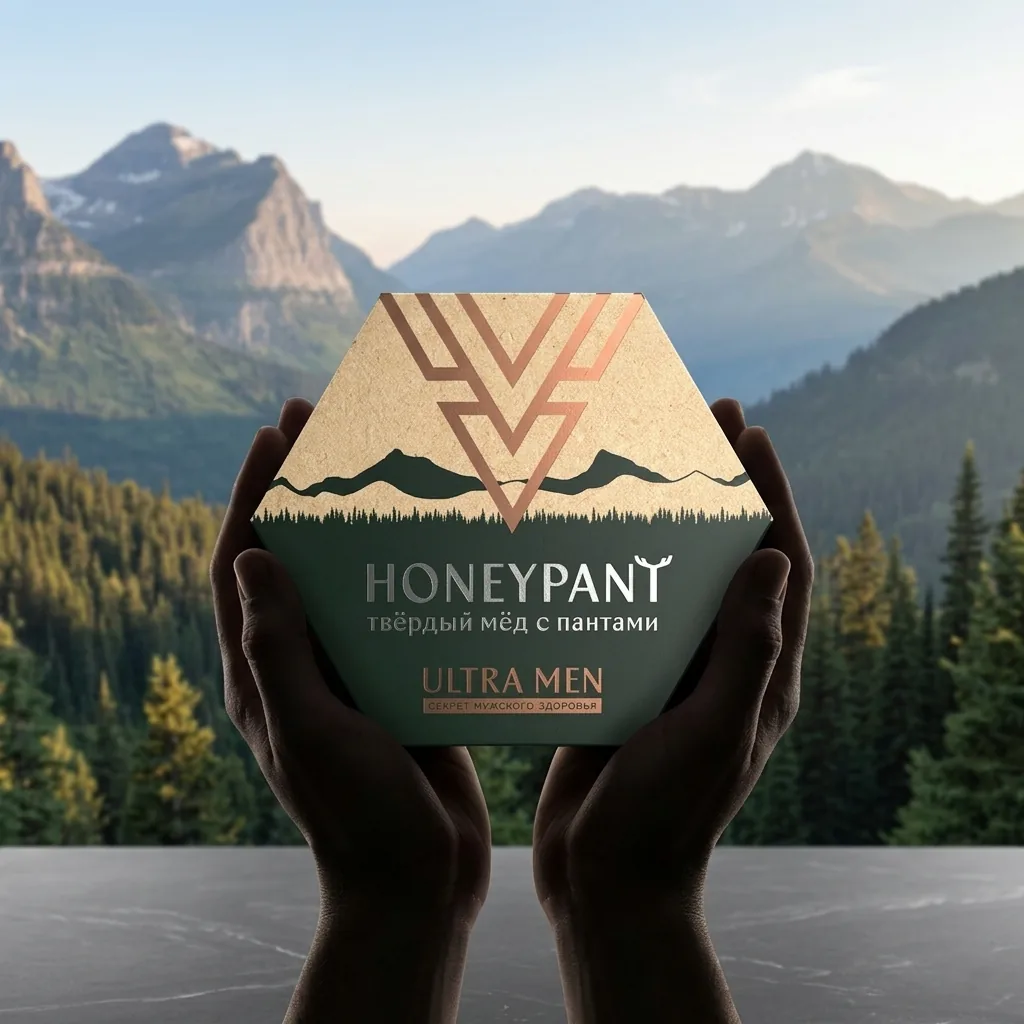
We built Nature’s Recipes around exactly those three questions. Our honey adaptogen lozenges are about 90% raw Siberian honey (the other 10% is beeswax, Leuzea, Red Root, and a little concentrated cherry juice for taste, five ingredients in total), harvested from that single apiary by Lake Teletskoye. The honey is kept raw, never above 40°C before production, so the enzymes and pollen stay where they belong.
We make the lozenges for men over 30 who want steady, natural energy and who, like the shoppers above, don’t want to gamble on what is really in the jar. The honey is pure and minimally processed, with no additives and no blending, so it is halal by composition, which matters to our customers across the Gulf.
So instead of buying a jar and hoping, you get honey whose origin, season, and five ingredients you can actually trace, backed by a lab certificate for each batch.
See what’s inside the lozenges →
FAQ
Does real honey crystallise or stay liquid?
Real honey crystallises. Over weeks or months most pure honey turns grainy and lighter in colour, especially in a cool cupboard. Our raw Altai honey granulates every season because we never heat it above 40°C. Honey that stays perfectly clear and runny for a year or more is more likely to be sugar-cut or heat-processed. To return crystallised honey to liquid, stand the jar in warm water.
Is the water test for honey reliable?
The cold-water test is one of the more useful home checks: real honey sinks and settles, while syrup-cut honey clouds the water as it dissolves. Our own raw honey settled as a dense lump every time we tried it. Still, treat it as a strong hint, not final proof. Only a lab certificate, which we run for each batch, can confirm purity for certain.
Why is some cheap honey fake?
Honey is expensive to produce, so some sellers stretch it with cheap rice, corn, or beet syrup, or feed bees sugar instead of letting them forage. The jar still looks like honey and costs the seller far less. We take the slower route instead: a single Altai apiary, one short summer harvest, and no blending, which is why pure honey costs more than the cut kind.
Can the flame test tell if honey is pure?
No. The flame test depends mainly on how much moisture the honey holds, not on whether it is pure. Genuine honey with normal moisture often will not light, so the test gives false results in both directions. It is exactly why we rely on an independent lab certificate for each harvest rather than a matchstick. Skip it.
Is raw honey better than regular honey?
Raw honey is unheated and unfiltered, so it keeps its natural enzymes, pollen, and aroma, the very things lab tests look for to confirm authenticity. Our honey is kept below 40°C through the entire process for that reason. Most supermarket honey is heated and ultra-filtered, which removes those markers and makes it harder to tell real from fake.
Stop guessing about your honey
You can run the water test tonight. But if you would rather not guess, our lozenges are made from about 90% raw Siberian honey from a single named apiary by Lake Teletskoye, with the region, season, beekeeper, and five ingredients all on the record, plus a lab certificate for every batch.
Free shipping across the GCC. Damaged or wrong order? We replace it or refund it, just send a photo within 7 days. Secure checkout.