باختصار: Pure raw honey does not expire. The “best before” date on the jar is a labelling rule, not a sign it spoils. Kept sealed and away from heat and moisture, honey lasts for years, and only turns if water gets in and ferments it. Here is how to tell, and how to store honey lozenges in Gulf heat.
Honey is one of the few foods that does not expire on its own. Archaeologists found edible honey in Egyptian tombs after three thousand years. Honey is too low in water and too high in sugar for the microbes that spoil other food to survive in it, which is the whole reason we measure moisture in every batch of Altai honey before it becomes a lozenge: get the water content right and the honey keeps almost indefinitely. When a jar in Dubai shows a “best before” two years out, that date is about regulation and quality, not safety.
That gap between the printed date and the real shelf life is where most of the worry sits, especially for a buyer who already doubts whether the honey was real to begin with. Below you will find what the date means, how to tell if honey has gone off, and how to keep honey stable through a 45°C summer, which is the one thing the usual “store at room temperature” advice ignores. The same answers cover the lozenges we make from that honey.
Is it okay to eat expired honey?
In almost every case, yes. Honey that is past its printed “best before” date is still safe to eat, because that date marks the end of guaranteed peak quality rather than the start of spoilage. Pure honey kept sealed and dry does not grow harmful microbes. The raw Altai honey we hold below 40°C for our lozenges follows the same rule: a date on the pack guards peak freshness, it does not mark a day the honey turns unsafe.
There are two honest exceptions. The first is honey that has had water get into it, which can ferment. The second is raw honey for an infant under one year old, which is a separate medical rule about botulism spores, not about the honey being old. This is also one reason a honey lozenge is steadier than an open jar: each of our lozenges is solid, about 90% honey set with beeswax, so there is no open surface for a wet spoon or humid air to seed.
How can you tell if honey has gone bad?
Real spoilage in honey is rare and has clear signs. Most of the worried messages we get are not about spoiled honey at all, but about honey behaving normally. One Amazon.sa buyer flatly called a darkened jar “Not real honey,” and another said by the “third order the texture is different,” when both were describing ordinary changes, not a product gone off. Here is how to read the real signs:
- It crystallised (turned solid or grainy). This is not spoilage. Raw honey naturally sets over time, and a grainy jar is one of the signs the honey was not heavily processed. You can gently warm a jar back to liquid. Our lozenges never crystallise this way, because the same raw Altai honey is locked into a solid form with beeswax before it can set. We wrote a full guide on why honey crystallises and whether it is still good.
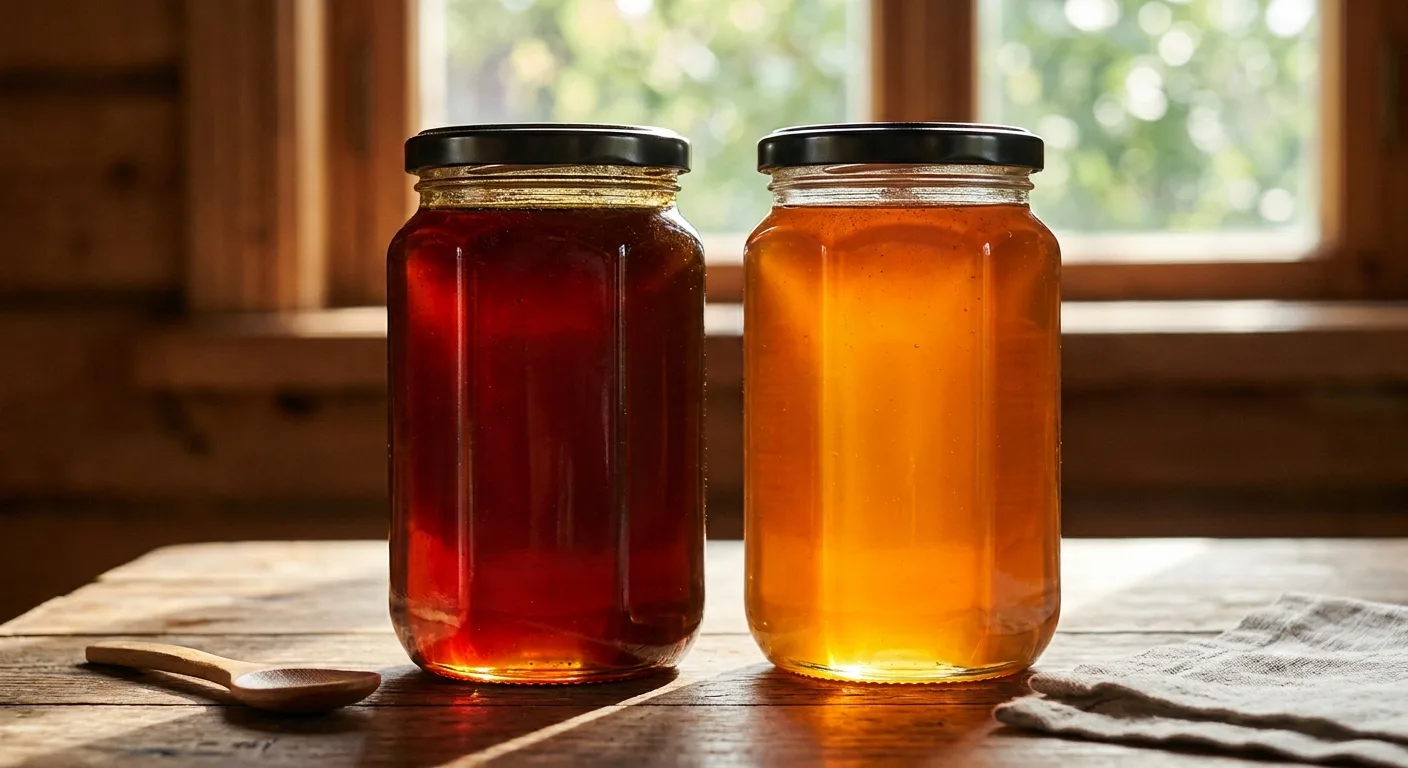
- The colour darkened. Honey slowly darkens with age and warmth. A jar that looks browner than the photo you bought from is almost always fine. One Amazon.sa buyer panicked that “the honey is brown” and assumed it was fake, when darkening is normal and not a spoilage sign at all.
- It smells sour, yeasty, or like alcohol. This is the real warning. It means water got in and the honey started to ferment. Fermented honey is not dangerous, but it has turned, and the taste goes off. Raw honey kept dry and held below 40°C, the way we treat the Altai honey before it becomes a lozenge, starts dry and stays dry, which is what keeps fermentation from getting a foothold.
- There is visible mould or foam. This only happens when honey has absorbed enough moisture for yeast to take hold. Sealed, dry honey will not do this, which is why we check the moisture of the honey at our Biysk facility before it goes anywhere near a lozenge. If you see foam or mould in a jar at home, discard it.
The test that matters is the smell and the foam. Colour and crystals fool people: the Amazon.sa buyer who wrote that her “third order the texture is different” was reading a normal batch-to-batch change as a fault, the way a man might read a darker Altai honey as spoiled. Neither colour nor crystals means the honey has turned. If it smells like honey and shows no foam, age has not beaten it.
Why does honey have an expiration date?
If honey does not expire, the date on the jar is a fair question. The answer is regulation. Food-labelling law across the Gulf, like most markets, requires a “best before” date on packaged food, so every pack of our honey lozenges that ships to the UAE or KSA carries one even though the Altai honey inside does not need it for safety. The two or three years a manufacturer prints is a conservative guess at how long honey holds peak colour, aroma, and texture, well short of the day it would ever become unsafe.
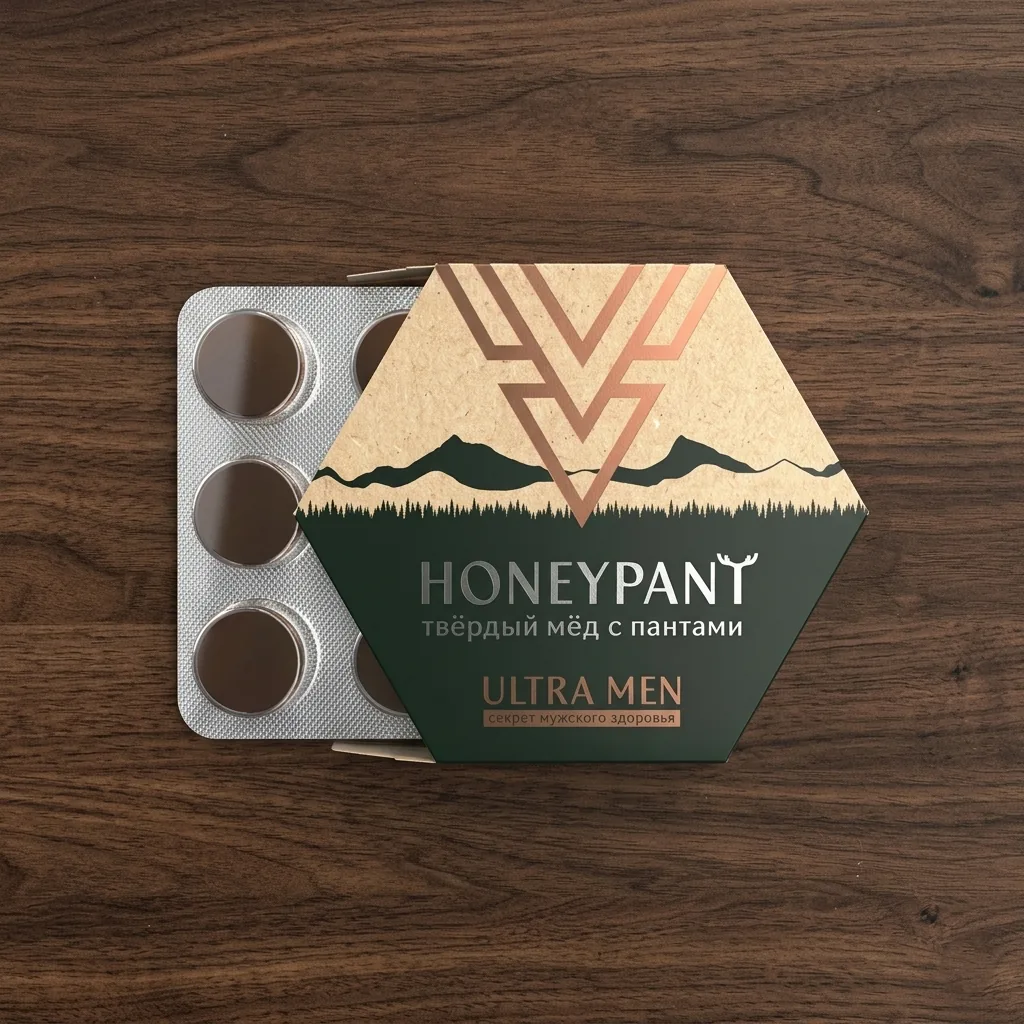
We print exactly that kind of date on our own pack. The product is a honey lozenge, around 90% raw Altai honey set with Leuzea, Red Root and beeswax. We hold that honey below 40°C and check its moisture before we form a single lozenge, so the date on the pack is a freshness guide of the conservative kind, not a countdown. The honey inside is not racing a clock.
How do you store honey, and should you refrigerate it?
Do not refrigerate honey. The fridge is the single most common storage mistake, because cold speeds up crystallisation and turns a smooth jar into a hard block faster. Honey wants a cool, dry, dark cupboard. The same four rules keep both a jar of honey and a pack of our lozenges stable:
- Keep it sealed. An airtight lid stops honey from pulling in moisture from the air, which is the one thing that lets it ferment. Our lozenges ship sealed in their pack for the same reason, so reseal what you can and close a jar tight every time.
- Keep it dry. Use a clean, dry spoon, never a wet one, since a single drop of water on a spoon is enough to start trouble over months. Our lozenge sidesteps this entirely, because the Altai honey is already set solid in beeswax, with no open surface for a wet spoon to reach.
- Keep it out of heat and light. A pantry or a closed cupboard away from the oven is ideal. Direct sun and heat darken honey and dull its aroma faster, the same way they darken the raw Altai honey we deliberately hold below 40°C at the production stage.
- Do not refrigerate it. Cold pushes crystallisation. If your honey has already set hard, stand the jar in warm water, not boiling, to bring it back to liquid. A lozenge will not set like this, since the honey in it is already locked into a solid form with beeswax.
Storing honey in Gulf heat
Most storage advice says “store at room temperature,” which assumes a mild climate. In Riyadh or Dubai a kitchen can sit above 35°C for months, and a car or a balcony cupboard far hotter. Sustained high heat will not make sealed honey unsafe, but it darkens it and dulls the flavour faster, and with our lozenges it can soften the beeswax that holds them and turn them sticky. We hold the Altai honey below 40°C all through the Biysk process precisely because heat is what it dislikes, so the home job is the same one: pick the coolest, most stable spot, an interior cupboard in an air-conditioned room, away from the window and the cooker, rather than the fridge.
How long can honey be stored long term?
Indefinitely, if it stays sealed and dry. There is no point at which pure, properly stored honey “runs out.” It may darken and it will likely crystallise, both of which are reversible or harmless, but it does not become unsafe. The one thing that ends honey’s life is moisture getting in, which is why our whole job before the honey becomes a lozenge is keeping it dry: harvested late June to mid-August, held below 40°C, moisture checked before forming. Long-term storage at home asks the same single thing of you, keep water out.
How long do honey lozenges last, and how do you store them?
A honey lozenge follows the same logic as the honey inside it, with one extra point: it is solid, so it cares even more about moisture and heat. Our lozenges are about 90% raw Siberian honey carrying two adaptogens, Leuzea (Rhaponticum carthamoides) and Red Root (Hedysarum neglectum), held together with beeswax, five ingredients in total. Keep them sealed in their pack, in that same cool dry cupboard, and they stay stable for their full shelf life.
In Gulf heat the thing to avoid is leaving a pack in a hot car or a sun-facing shelf, where sustained heat can soften the lozenge and make it sticky. The lozenge stays safe to take, it only loses its firmness, and storing the pack somewhere cool keeps each one solid enough to dissolve cleanly over its three to four minutes. One pack holds 12 lozenges, four days at three a day, so a pack rarely sits around long enough for storage to be a worry in the first place.
How honey lozenges fit a long, hot Gulf day
If you already keep real honey at home for its long life and steady energy, a honey lozenge is that same raw honey built into a daily format for men over 30. Each one is about 90% raw honey from a single family-run apiary by Lake Teletskoye, a UNESCO biosphere reserve in the Altai mountains of southern Siberia, with Leuzea and Red Root worked in. You take three a day and let each dissolve slowly, and because adaptogens build up rather than spike, most men notice steadier energy by day 10 to 14 rather than in the first hour.
The storage answer is the same as for any good honey: keep the pack sealed, cool, and dry, and it holds. We hold the honey below 40°C and keep its moisture in check before it ever becomes a lozenge, so what reaches you is honey that someone looked after from the apiary onward. The five ingredients are honey, beeswax, Leuzea, Red Root, and a little cherry juice, halal by composition, with no gelatin shell and nothing fermented.
الأسئلة الشائعة
Does unopened honey expire?
No. Sealed, unopened honey kept in a cool dry place does not expire and stays safe far beyond its printed “best before” date. That date is a labelling rule about peak quality, not a spoilage warning. The honey that goes bad is honey that has absorbed water and fermented, which an unopened, sealed jar cannot do. The same holds for a sealed pack of our lozenges, since we check the honey’s moisture before we form each one.
Should honey be refrigerated?
No. Refrigeration speeds up crystallisation and turns honey hard faster, without adding any safety benefit. Store honey in a sealed jar in a cool, dry, dark cupboard instead, and keep a pack of lozenges there too. If a jar has already crystallised, stand it in warm water to return it to liquid; our lozenges will not set this way, as the honey in them is held solid with beeswax.
Is crystallised honey safe to eat?
Yes. Crystallisation is honey setting naturally, not spoiling, and it is often a sign the honey was raw and minimally processed, which is exactly what our Altai honey is before it is held below 40°C and formed into a lozenge. A crystallised jar is safe to eat as is, or you can gently warm it back to liquid. There is more on this in our guide to لماذا يتبلور العسل.
My honey looks darker than when I bought it. Has it gone bad?
Almost certainly not. Honey naturally darkens with age and warmth, and raw single-origin honey like our Altai harvest runs darker than the pale processed honey most shoppers are used to, which is why one Amazon.sa buyer saw a brown jar and assumed “the honey is brown” meant fake. The real warning signs are a sour or alcohol-like smell and foam or mould, which only happen if water got in. If checking whether honey is genuine is your concern, our guide on كيف تميّز العسل الأصلي من المغشوش covers it.
How should I store honey lozenges in a hot climate?
Keep them sealed in their pack in the coolest, driest, most stable spot in the house, ideally an interior cupboard in an air-conditioned room rather than the fridge, a hot car, or a sunny shelf. Sustained heat can soften a lozenge and make it sticky, which is a texture issue rather than a safety one. A cool dry spot keeps each lozenge firm enough to dissolve cleanly over its three to four minutes.
Honey that was looked after, from the apiary to your cupboard
Good honey lasts because someone handled it dry and kept it cool from the start. We hold our raw honey below 40°C at a single family apiary by Lake Teletskoye in the Altai, keep its moisture in check, then carry it with Leuzea and Red Root into a lozenge you take three times a day. Once it reaches you, storage is the easy part: keep the pack sealed on a cool shelf and it holds for its full shelf life.
We carry the honey through the heat so you do not have to worry about it. Should a pack turn up crushed, melted in transit, or the wrong item altogether, photograph it within 7 days and we put a fresh one in the post or return your money. GCC shipping is included and checkout is secure.
See the honey adaptogen lozenges →
بقلم Yaroslav, founder of Nature’s Recipes. I spend the harvest weeks each summer making sure our Altai honey goes in dry and stays below 40°C, which is the part of “shelf life” that happens long before a pack reaches your cupboard. If you want to see exactly what goes into the lozenge, it is all listed plainly.