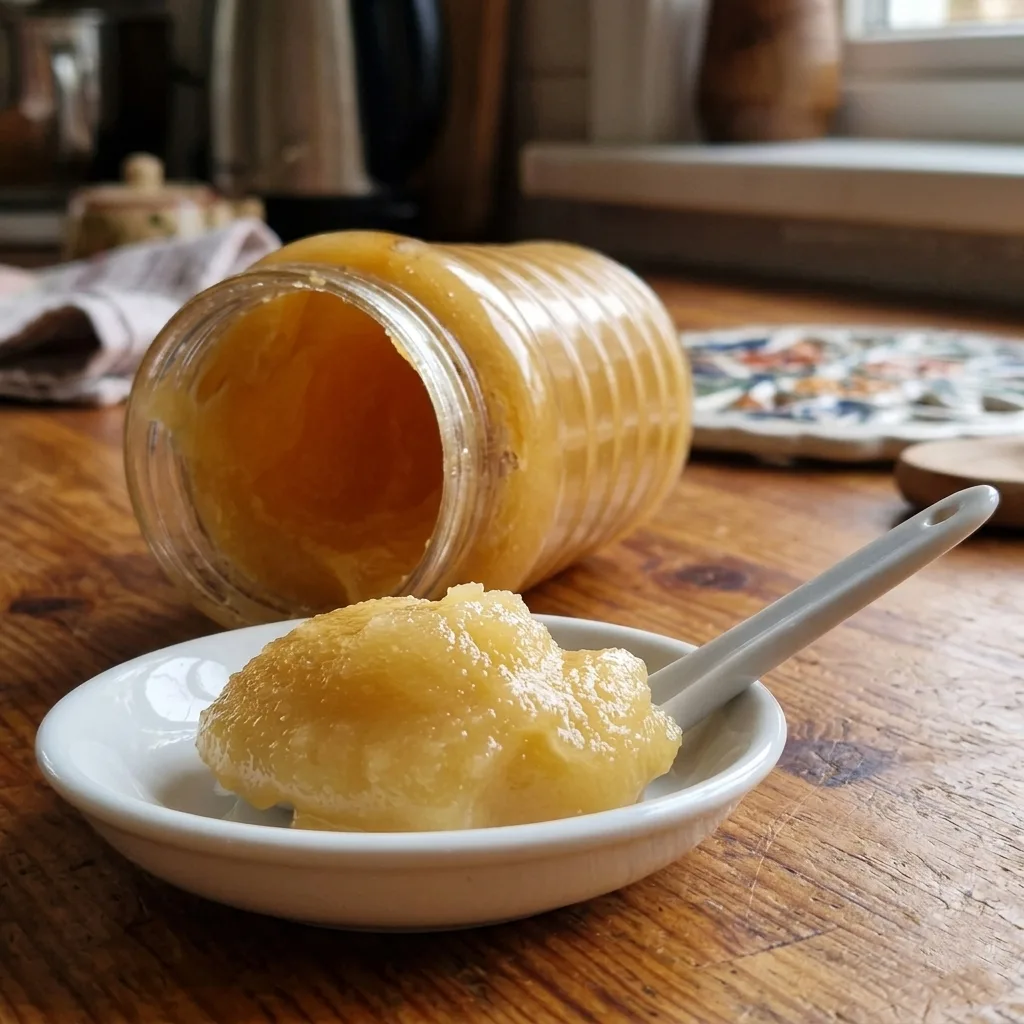
باختصار: Honey crystallises because it is a supersaturated sugar solution, and the natural glucose in it slowly separates out into tiny crystals. Crystallised honey is a category of raw, unprocessed honey that has turned thick, grainy, and pale, and it is completely safe to eat. It is a sign your honey is genuine, not spoiled and not fake. If you prefer it runny, stand the jar in warm water below 40°C and it liquefies again.
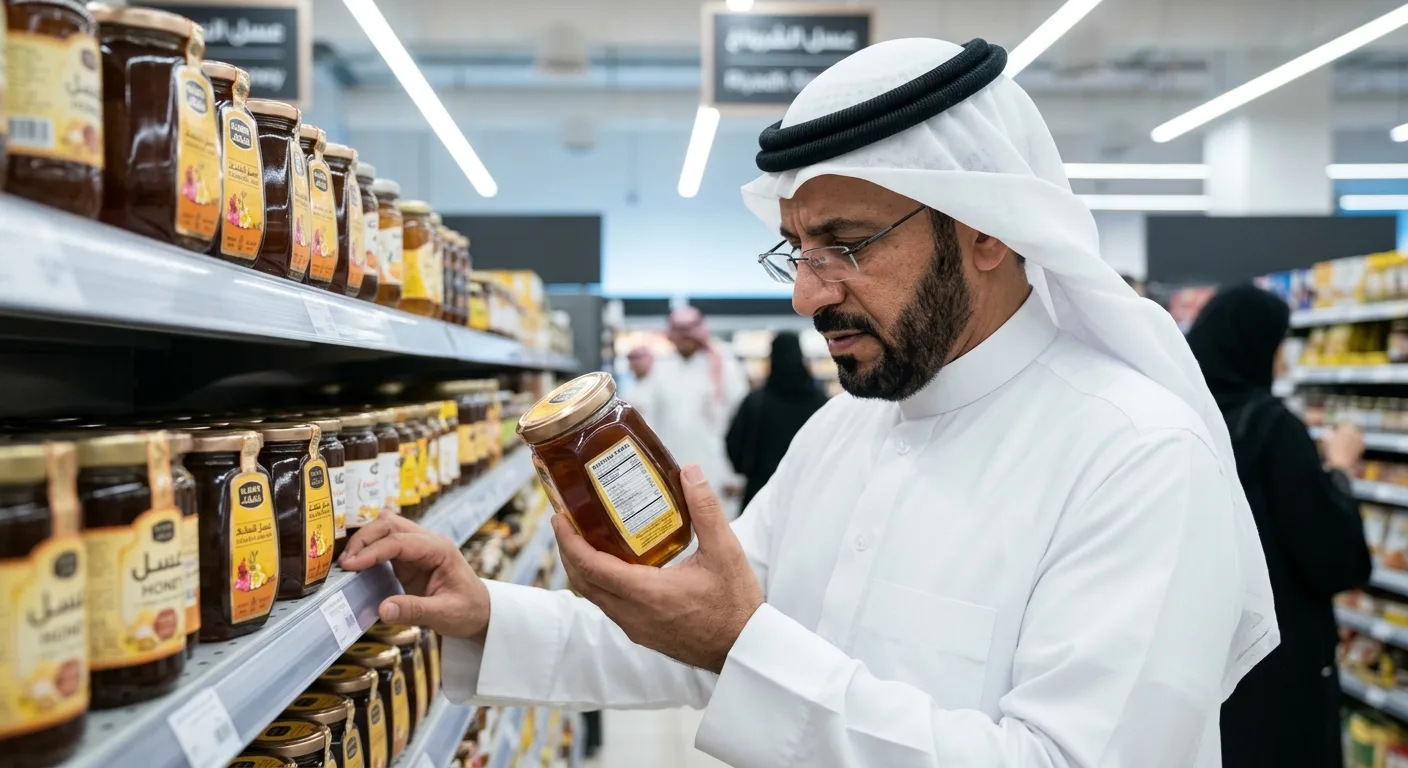
Across the Gulf, a lot of people open a jar, find it has gone hard and grainy, and assume the worst. We hear it in customer messages: one man told us his last jar had gone “brown and solid, not like the picture,” and asked where the honey he paid for had disappeared to. The grainy texture reads as proof the seller cheated him. So when a jar turns solid, that distrust kicks in.
Here is the part that flips it around. Crystallisation is the opposite of a problem. The honey most likely to set into crystals is the raw, untreated kind, like the raw Altai honey we put into our lozenges. The honey that stays glassy and liquid for years is usually the one that has been heated and filtered until those natural markers are stripped out. This guide explains why it happens, why solid honey is still good, and how we handle it with our own honey from a single apiary by Lake Teletskoye.
What causes honey to crystallise?
Honey is mostly two sugars, glucose and fructose, dissolved in a very small amount of water. There is far more sugar than the water can actually hold, so honey is what chemists call supersaturated. Over time the glucose drops out of that unstable mix and forms crystals. The glucose in our honey comes straight from the mountain-meadow nectar our bees forage by Lake Teletskoye, not from any added syrup, which is why it sets on its own. A few things speed it up or slow it down:
- The glucose-to-fructose ratio. Honey high in glucose crystallises fast; honey high in fructose stays liquid longer. This is set by the flowers the bees worked, which is why our raw Altai honey, gathered from mountain meadows in the short late-June-to-mid-August window, sets at its own natural pace rather than on a factory schedule.
- Temperature. Crystallisation runs fastest around 10–15°C, roughly fridge-door to cool-cupboard range. A Gulf kitchen sitting at 24°C will set more slowly, while honey stored in a cold pantry firms up sooner. The same goes for the raw honey we source for our lozenges: kept cool it sets faster, which is one reason we judge it by its source and how it was handled, not by whether it has gone solid.
- Whether it was heated. Gentle heat dissolves crystals and delays setting. We deliberately keep our honey raw and never take it above 40°C, so it granulates the way unprocessed honey is meant to. Supermarket honey is often heated specifically so it stays liquid on the shelf.
- Pollen and tiny particles. The specks of pollen and wax left in raw, unfiltered honey give crystals something to form around, so they grow faster. We never ultra-filter our honey, so that Altai pollen stays in, which is the same honey that makes up about 90% of our lozenges. Honey that has been stripped clear can stay liquid for a suspiciously long time.
So the same things that make honey real, being raw, unheated, and unfiltered, are the things that make it crystallise. They are also the things we protect by keeping our honey below 40°C from the apiary to the finished lozenge.
Is crystallised honey still good to eat?
Yes. Crystallised honey is safe to eat and keeps all of its goodness. Nothing is lost when honey sets; the glucose has simply changed from dissolved to solid form. The flavour, the enzymes, and the pollen are all still there, which is exactly why we keep our Altai honey below 40°C in the first place: heat would destroy those enzymes long before crystals ever could. In fact honey almost never spoils, because its low water content and natural acidity stop bacteria and mould from growing. Sealed jars of honey thousands of years old have been found still edible.
A few honest signs to tell normal setting from an actual problem, the same ones we watch for in our raw Altai honey:
- Normal: the whole jar, or the bottom of it, turns thick, pale, and grainy. The texture goes from smooth to slightly sandy. The raw Altai honey we work with sets to exactly this pale, sandy state before we turn it into lozenges, and it is fine.
- Normal: a white, foamy layer on top, or feathery white streaks up the sides of the jar (called frosting). It is trapped air and glucose, harmless, and a normal trait of the raw, unfiltered Altai honey we work with too.
- Worth checking: a sour or fermented smell, or visible fuzzy mould. This only happens if the honey had too much water in it or got moisture into the jar, and it is rare in properly made honey. Our raw honey is lab-tested for safety and purity, and moisture is one of the things those tests look at.
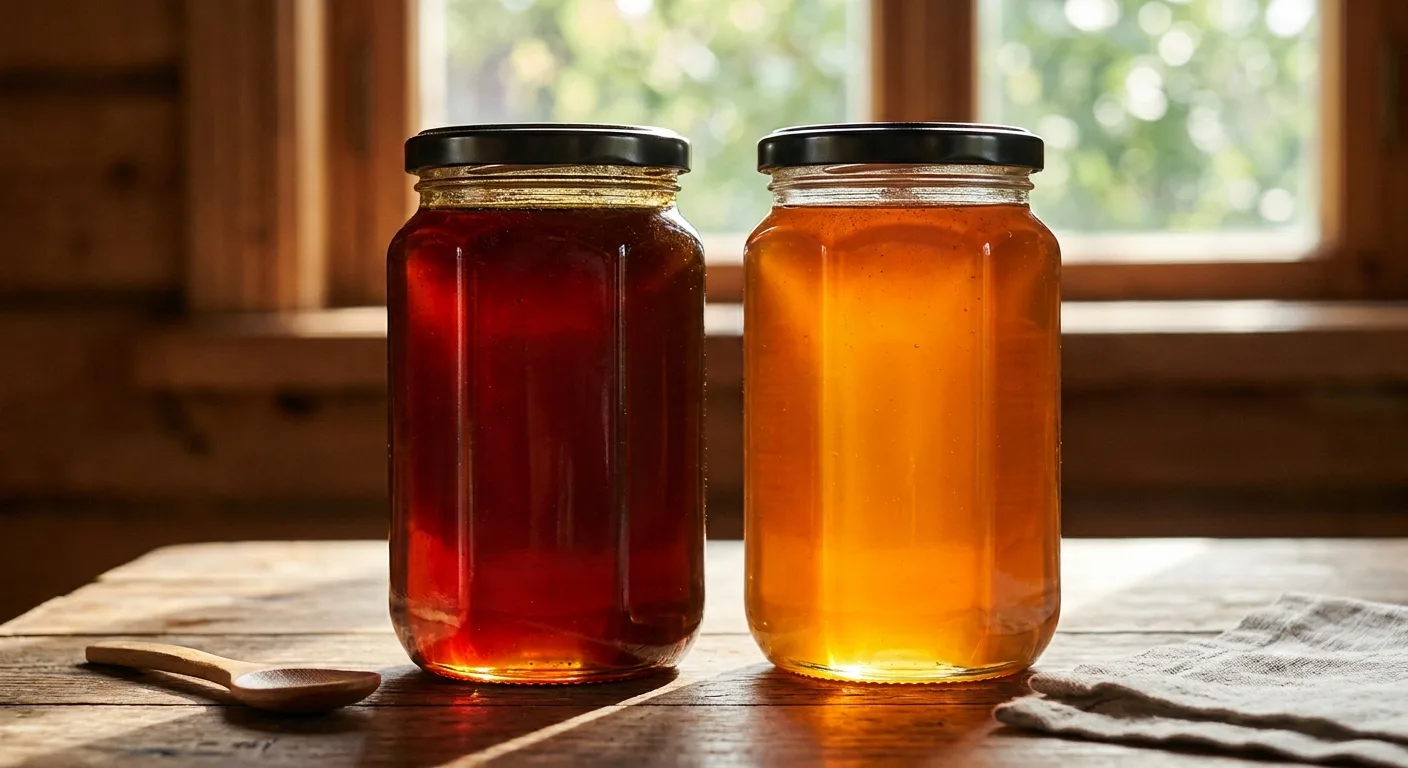
If your honey has simply gone solid and still smells and tastes like honey, it is good. Throwing it out is the most common mistake people make, and that is the same instinct behind the messages we get about honey “going brown and solid, not like the picture”: people bin their most genuine jar.
Does fake or pure honey crystallise?
This is where the Gulf instinct gets it backwards. Pure, raw honey is the kind that crystallises, and our raw Altai honey sets every season. Sugar-syrup honey often does not. It is the same point our guide to telling real honey from fake makes about the water and thumb tests: the traits that look “wrong” are usually the honest ones.
| Raw, pure honey (like our Altai harvest) | Sugar-cut or heavily processed honey | |
|---|---|---|
| Crystallises over time? | Yes, usually within weeks to months | Often stays liquid for a year or more |
| Why | Natural glucose separates out; the Altai pollen we never filter out helps it set | Heated and filtered to stop setting, or stretched with fructose syrup |
| What setting tells you | It is unprocessed and genuine, the same raw honey we lab-test for safety and purity | It may have been treated to look “perfect” |
There is one catch worth being fair about. Some adulterated honey is cut with glucose-heavy syrup, which can also crystallise, so setting alone is not absolute proof of purity. That is exactly why we don’t ask you to judge our honey by a kitchen observation. Our raw honey is lab-tested for safety and purity before it goes anywhere near a lozenge. But if a seller swears their honey will “never crystallise,” treat that as a warning, not a feature. (For the full set of at-home checks, see our guide on كيف تميّز العسل الأصلي من المغشوش.)
How do you make crystallised honey liquid again?
You don’t need to throw it out or buy a new jar. Gentle warmth turns the crystals back into liquid without harming the honey, as long as you keep the heat low. High heat ruins raw honey, killing the enzymes that make it worth buying. That is the same 40°C ceiling we hold our own honey to all the way from the apiary to the lozenge, so the rule is warm, not hot.
- Boil a kettle, then let the water cool for a couple of minutes so it is hot-bath warm, not scalding (keep it below 40°C, the same limit we hold our own Altai honey to).
- Stand the sealed jar in the warm water, with the water level up to the honey line. A glass jar works better than plastic here, because glass holds an even temperature; it is the same gentle water-bath principle we use whenever we warm the raw Altai honey we work with.
- Leave it for 15–20 minutes, stirring occasionally if the lid is off. Gentle warmth like this is safe; the same 40°C limit is the one we hold our own raw honey to so its pollen and enzymes survive into the lozenges.
- Refresh the water if it cools, and repeat until the crystals dissolve. Never microwave honey and never put it on direct heat; both push past 40°C and destroy the raw enzymes, the same ones we protect by keeping our Altai honey below that line all the way into the lozenges.
Done gently, it goes back to smooth liquid and you have lost nothing. Many people across the Gulf actually prefer the set, spreadable texture and never re-liquefy it at all. We took the same view with our product: rather than fight the honey’s nature, we set it into a solid lozenge you let dissolve over three to four minutes.
What this means for our lozenges
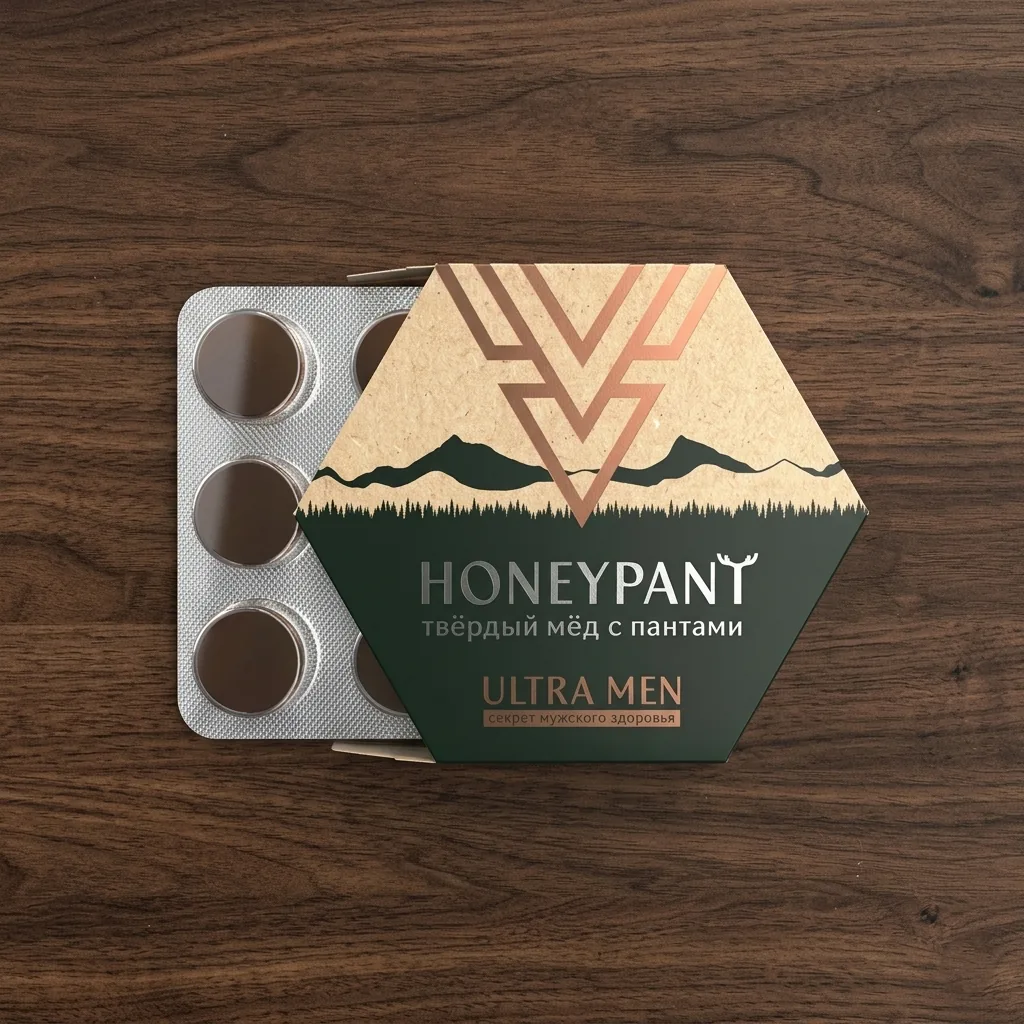
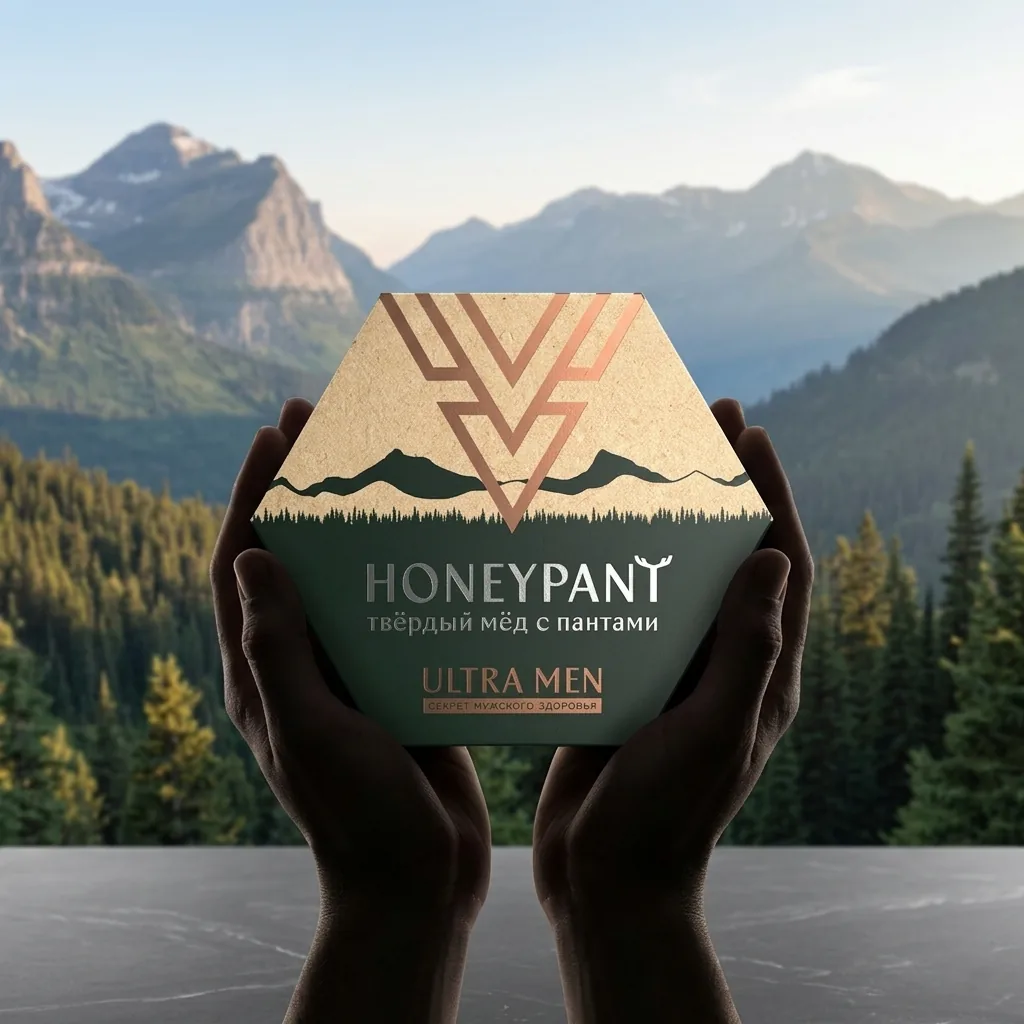
We don’t sell honey by the jar. We make honey lozenges, and crystallisation is something we expect in the raw honey we source, not something we hide. Our honey adaptogen lozenges are about 90% raw Siberian honey (the rest is beeswax, Leuzea, Red Root, and a little concentrated cherry juice for taste, five ingredients in total), from a single family-run apiary by Lake Teletskoye, a UNESCO biosphere reserve in the Altai mountains of southern Siberia.
Because we keep that honey below 40°C and never ultra-filter it, the raw material naturally granulates between batches, exactly as honest honey should. Inside the lozenge you never see it, because the honey is set into a solid pastille you let dissolve over three to four minutes. But the principle is the same one this whole article is about: we would rather give you honey that behaves like real honey than process the life out of it to make it look flawless in a jar.
For men over 30 who want steady, natural energy and are tired of guessing what is really in the jar, that traceability is the point. The honey is pure and minimally processed, with no additives and no blending, so it is halal by composition, which matters to our customers across the Gulf.
See what goes into the lozenges →
الأسئلة الشائعة
Why has my honey gone hard and grainy?
Your honey has crystallised, which means the natural glucose in it has separated out into tiny crystals. It is a normal trait of raw, unprocessed honey and not a sign of fakeness or spoilage. The grainy texture is just solid glucose. Our raw Altai honey granulates every season because we never heat it above 40°C. To make it smooth again, stand the jar in warm water below 40°C; never microwave it.
Does crystallised honey mean it is fake or has sugar added?
No, usually the opposite. Raw, pure honey is the kind that crystallises, while heavily processed or sugar-syrup honey is often treated to stay liquid for years. Setting is a sign your honey was not heated and filtered into a permanent liquid. The only reliable proof of purity is a proper lab test, which our raw honey goes through, not whether the jar has gone solid.
Is it safe to eat honey that has crystallised?
Yes. Crystallised honey is completely safe and keeps all its flavour, enzymes, and nutrients. Honey almost never spoils because its low water content stops bacteria growing, and moisture is one of the things checked when our raw Altai honey is lab-tested. The only things to avoid are a sour, fermented smell or visible mould, which are rare and only happen if water got into the honey. Plain set honey is good to eat as it is, or warm it gently back to liquid below 40°C.
How do I stop my honey from crystallising?
You can slow it down by storing honey at normal room temperature, around 20–25°C, rather than in a cold cupboard or near the fridge, since crystallisation runs fastest at 10–15°C. A typical Gulf kitchen at 24°C already works in your favour here. Keep the lid sealed so no extra moisture gets in. You cannot stop raw honey setting forever without heating it, and heating it past 40°C destroys the enzymes we work to preserve, so most people simply re-liquefy a jar gently when they want it runny.
Does raw honey crystallise faster than regular honey?
Usually yes. Raw honey keeps its natural pollen and is never heated, and both of those make it crystallise sooner. We keep our honey below 40°C through the whole process for exactly that reason. Most supermarket honey is heated and ultra-filtered so it stays liquid on the shelf, which looks tidier but strips out the very markers that prove honey is real.
Honey that behaves like honey should
A jar that turns grainy in your cupboard is doing what real honey does. If you would rather buy from a source you can actually trace, our lozenges are made from about 90% raw Siberian honey from a single named apiary by Lake Teletskoye.
Shipping across the GCC is on us. If what arrives is damaged or not what you ordered, send a photo within 7 days and we will replace it or refund you. Checkout is secure.
اطّلع على أقراص العسل المقوّية ←
Written by Yaroslav, founder of Nature’s Recipes. Don’t think of crystallised honey as a bad thing. It just means you are holding a good product. More on how we source and test the honey.